
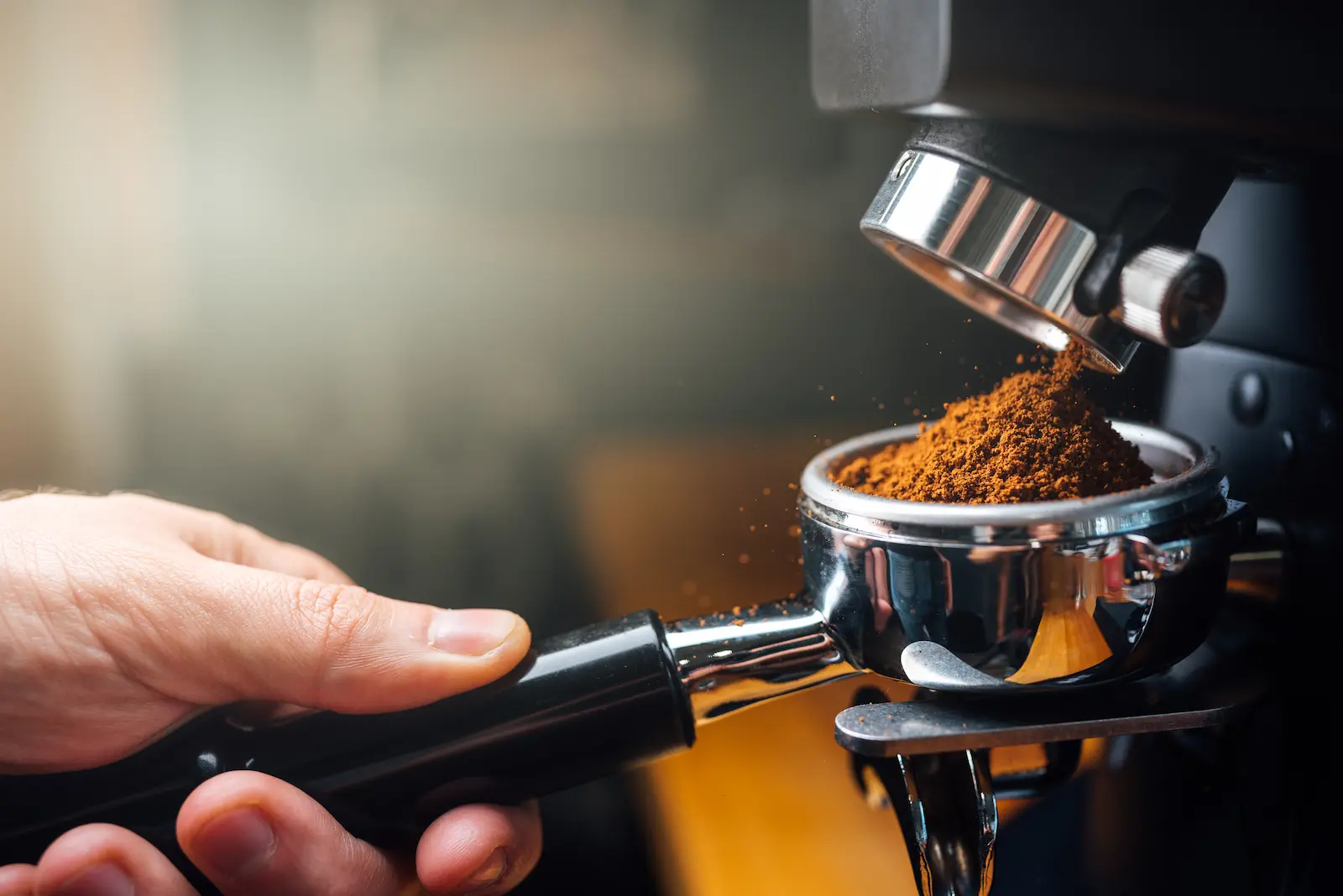
If you make the same pot of drip coffee every morning, a good grinder makes yesterday’s cup easy to repeat. Switch to espresso and the job changes. A small adjustment can change how quickly water moves through the grounds, so the distance between one setting and the next matters more.
The way you load the beans changes the routine, too. A hopper can hold enough for several mornings, and a timer lets you repeat the grind without starting from scratch each day. Weighing out one dose at a time makes more sense in a kitchen where one person drinks regular coffee and the other reaches for decaf.
Those differences run through the four grinders in this guide. One is dedicated to filter brewing. Another gives you finer adjustments in the espresso range. We look at what each dial lets you do, where the grounds collect and how easily you can reach the burrs when it’s time to clean them.
Coffee Grinder Comparison: Features and Tradeoffs
We evaluated these coffee grinders using The Hearthful Standard, which considers materials, design, everyday use, durability, and the clarity of product information. We selected Fellow Ode Gen 2 for single-dose filter brewing and documented replacement burrs, and Baratza Encore ESP for its finer adjustment steps in the espresso range. Breville Smart Grinder Pro adds programmable grinding time and a display showing the settings. Capresso Infinity offers a simpler dial-and-timer arrangement for a regular drip-coffee routine.
Some links in this guide are affiliate links. If you purchase through them, The Hearthful Home may earn a small commission at no additional cost to you. As an Amazon Associate, we earn from qualifying purchases.

Dedicated to filter brewing
Fellow Ode Brew Grinder Gen 2
Ode Gen 2 brings single-dose loading, a clear stepped dial and a magnetic catch cup to filter brewing. Its 64 mm flat burrs suit pour-over, drip and immersion coffee.
Gen 2 Brew Burrs · Matte Black · US electric model

Fine adjustment for espresso
Baratza Encore ESP
The original Encore ESP divides 40 settings between espresso and filter brewing. Manual controls, a dosing cup and quick-release burr access suit an involved home routine with clearly documented upkeep.
Original Encore ESP · ZCG495BLK · Black · US electric model

Flexible timed dosing
Breville Smart Grinder Pro
Smart Grinder Pro combines 60 settings with programmable grinding time, an LCD and portafilter cradles. It suits a hopper-based routine that moves between espresso preparation and larger filter-coffee doses.
BCG820BSS · Brushed Stainless Steel · US electric model

Simple everyday drip routine
Capresso Infinity Conical Burr Grinder
Infinity 565.05 pairs 16 stepped settings with a straightforward timer and grounds bin. Its zinc housing, removable upper burr and documented care suit a familiar daily brewing routine at home.
Infinity 565.05 · Stainless · Die-cast zinc housing · US electric model
What Actually Matters in a Coffee Grinder
A useful grinder supports the adjustments and handling your brewer requires. Work through these buying checkpoints before deciding how much automation, capacity, or countertop space you need.
Match the Grinder to Your Brewing Method
Espresso, pour-over, automatic drip, and immersion brewing place different demands on grind adjustment. A grinder designed around filter coffee can be an excellent fit for that role, while an espresso setup needs enough control near the fine end to tune the recipe. Check the intended brewing methods for the exact model.
For someone who brews only pour-over or drip, the Fellow Ode Gen 2 gives you single-dose loading and settings intended for filter coffee. If you also pull espresso, the original Baratza Encore ESP gives you a dedicated fine-adjustment range and a separate filter range. That change in brew method matters more than comparing the total number of settings on the boxes.
Fellow positions Ode Gen 2 for brewed coffee, including pour-over, drip, and French press. The original Baratza Encore ESP divides its adjustment range between espresso and filter brewing. Our coffee grind size guide explains starting points and how to adjust them for your particular brewer.
Understand What Burr Adjustment Gives You
A burr grinder moves coffee through a gap between grinding surfaces. Adjusting that gap gives you a repeatable control to return to as you develop a recipe. A blade grinder uses a spinning blade, with the result influenced by run time and how the coffee moves around the chamber.
Our burr versus blade comparison connects those designs to adjustment, cost, and daily use. For a burr grinder, consider how easy it is to make and record useful changes. A longer settings list is most helpful when its spacing supports the kind of adjustment your coffee needs.
Choose Between a Measured Dose and a Loaded Hopper
You can weigh the beans for each brew or keep a working supply in the hopper and dispense from it, depending on the grinder’s intended use. Weighing each dose makes it convenient to switch coffees and plan a particular batch. A hopper-fed routine can make repeated preparation quicker once you establish the settings.
Timed dosing controls motor run time. The weight delivered can change with the coffee and grind setting, so check the output with a scale when setting up a recipe. The coffee-to-water ratio guide helps connect that measured dose to the amount of water you plan to use.
Check Capacity and Countertop Clearance Together
Match the loading capacity to your largest ordinary brew, then consider the grounds container and the space needed to remove it. A household making one mug at a time uses a grinder differently from one preparing a full pot and several additional drinks. Check usable capacity in the manufacturer’s instructions.
Measure the available height with room to lift the lid and refill the hopper. Leave space for the cord, grounds transfer, and access during cleaning. Our small coffee station guide helps arrange those movements around the brewer, scale, and coffee supply.
Look at Retention and Grounds Transfer
Some coffee can remain around the burrs and inside the exit path after grinding. That matters when you switch beans, move between recipes, or want the dose reaching the brewer to match your plan. Look at the chute, grounds container, and any manufacturer instructions for clearing the path.
The grinder retention guide distinguishes coffee left inside from the difference between one weighed input and output. A similar input and output weight can include some coffee from the previous dose. Use the grinder’s documented routine when planning switches between regular coffee and decaf.
Read Burr Materials as Part of the Assembly
Steel, ceramic, and surface coatings describe part of a burr assembly. Geometry, mounting, adjustment, and the rest of the grinder also influence how it works. Identify the exact burr set supplied with the selected model, especially when the manufacturer sells optional replacements or upgrades.
Our guide to grinder burr materials covers care, wear, and replacement compatibility. For ownership, a clearly identified replacement part and a supported installation procedure are useful details to check alongside material and diameter.
Plan for Cleaning and Replacement Parts
Check how the hopper, grounds bin, and accessible burrs come apart for care. Some components may be washable, while the burr chamber and motor housing require dry cleaning. The instructions should also explain reassembly and any adjustment checks needed afterward.
The coffee grinder cleaning guide covers brushes, removable parts, and approved grinder cleaners. Before buying, look for a model-specific manual and a practical route to the parts you may eventually need, such as a hopper, bin, burr carrier, or burr set.
Compare Sound in the Context of a Grinding Cycle
A grinding cycle includes motor sound, beans breaking, and vibration transferred to the counter. Dose size and grinding time also affect how noticeable the routine is in a shared home. Think about when you brew and what sits beside or beneath the grinder.
If comparing sound measurements, check that the microphone distance, coffee dose, setting, and measurement period are similar. Our coffee grinder noise guide explains those checks in plain language. Placement on a stable surface, following the maker’s directions, also belongs in the buying and setup plan.
Choose Controls You Will Use Comfortably
A simple dial can suit a stable daily recipe; a screen and saved dosing times can help with a more structured routine. Consider the visibility of settings, how the container aligns, and whether you want to grind into a bin or directly into a compatible portafilter.
Compare the included accessories with the equipment already on your counter. The Breville Smart Grinder Pro offers timed controls and portafilter cradles, while the Capresso Infinity uses stepped adjustment and a timer dial. Choose the handling sequence that fits the drinks you make most often.
How We Evaluate Coffee Grinders
Our recommendations in this guide are research-based. Manufacturer specifications, model-specific manuals, replacement-part information, and care guidance form the evidence base for this comparison.
We assess each product’s documented design and its fit for the intended role, including grind adjustment, dosing, and everyday upkeep.
Manufacturer material, grind-range, feature, speed, and warranty claims remain attributed to the manufacturer. Model-specific documentation, parts information, and operating guidance provide context for evaluating those claims. Differences in configuration or instructions are explained where they affect the buying decision.
Materials
We examine the specified burr material, body and container construction, and the parts that contact beans and grounds. Material details are considered alongside the function of each component, the care it requires, and the manufacturer’s available replacement options.
Design & Function
We consider the intended brewing range, adjustment system, loading method, grounds path, and dosing controls. A useful design brings those elements together around the drinks and batch sizes the grinder is built to support.
Use & Interaction
We assess the preparation sequence: loading beans, selecting a setting, starting the grinder, collecting the dose, and transferring it to the brewer. Display clarity, container handling, access for routine care, and the included accessories help define everyday convenience.
Durability & Longevity
We consider accessible cleaning, replaceable components, service information, and warranty terms. The assessment focuses on how the documented ownership and maintenance arrangements support continued use.
Transparency & Trust
We look for clearly identified models, consistent specifications, operating instructions, and useful parts or support information. Attributed product claims and clear compatibility guidance help readers connect the advertised features to the exact grinder they are buying.
A Closer Look at Each Pick
Dedicated to filter brewing
Fellow Ode Brew Grinder Gen 2
Gen 2 Brew Burrs · Matte Black · US electric model
Choose Ode Gen 2 for a dedicated filter setup where weighing beans and switching coffees are already part of the routine. The clear dial, magnetic catch cup and available replacement burrs are its main practical strengths.
Price and availability last updated: 2026-11-25 at 19:25.
Materials
Fellow identifies an aluminum body, plastic load bin and base, and steel burrs. The supplied Gen 2 Brew Burrs are 64 mm flat burrs. These component details give the grinder a substantial metal enclosure while keeping the bean-loading parts distinct from the cutting surfaces. Select the standard Gen 2 version when comparing this profile with a listing that also offers an SSP burr upgrade.
Design & Function
The Ode’s single-dose format holds the beans for one brew at a time. If you make regular coffee in the morning and decaf after dinner, you can switch beans without emptying a hopper. Fellow designed the Gen 2 for pour-over, drip and immersion brewing. Its Ode operating guide shows how to set the stepped dial, collect the grounds in the magnetic cup and use the knocker to dislodge what remains. The motor stops automatically when grinding finishes.
Use & Interaction
A preweighed dose keeps the amount of coffee separate from the grind adjustment, so you can change one part of the recipe at a time. The anti-static pins and exit chute need brushing as residue accumulates. Keep the supplied brush nearby and include those areas in routine care to support the collection system’s intended operation.
Durability & Longevity
Fellow sells replacement Gen 2 Brew Burrs and provides maintenance instructions. Its care guidance keeps the burrs dry, permits washing the catch cup and lid, and excludes all parts from the dishwasher. Those clear boundaries help an owner plan upkeep and distinguish routine cleaning from a burr replacement that requires careful reassembly and calibration.
Transparency & Trust
The maker publishes component materials, brewing scope and maintenance guidance, alongside a two-year standard warranty for Ode Gen 2. Purchase and regional conditions are explained on the warranty page. The documentation is especially useful for checking that the listing includes the intended burr set and for finding the correct procedure before opening the grinder for maintenance.
- Single-dose workflow for changing beans
- Clearly marked stepped grind dial
- Magnetic catch cup and grounds knocker
- Replacement Gen 2 burrs and care guidance
- Not intended for espresso
- Each brew starts with loading a dose
- Anti-static pins need routine brushing
- Grinder parts are not dishwasher safe
Fine adjustment for espresso
Baratza Encore ESP
Original Encore ESP · ZCG495BLK · Black · US electric model
Choose the original Encore ESP when espresso adjustment and an understandable maintenance path matter most. Its manual dosing keeps the owner involved, while the separate filter range makes it useful for a household that brews coffee in more than one way.
Price and availability last updated: 2026-11-25 at 19:25.
Materials
Baratza specifies 40 mm conical steel M2 burrs and a metal adjustment system. The manual also identifies plastic surfaces inside the grinding chamber. Metal supports the cutting and adjustment mechanisms, while the removable containers and chamber components have clearly defined roles and care instructions. This is a well-documented mixed-material assembly; the useful ownership distinction is access to the burrs and compatible replacement parts.
Design & Function
Turning the hopper changes the grind size. On the original Encore ESP, settings 1–20 provide finer adjustment increments, while 21–40 cover filter and immersion brewing. For espresso, the dosing cup works with 54 mm portafilters and a supplied 58 mm adapter. For a larger filter brew, collect the grounds in the supplied bin.
Use & Interaction
Start with a weighed amount of beans or weigh the grounds you collect, then make recipe changes deliberately. The pulse button helps add a small amount when needed, while the side switch suits a longer grind. Moving between espresso and filter coffee is workable, with the previous setting recorded so you have a sensible starting point when returning.
Durability & Longevity
The quick-release cone burr and removable ring burr provide access for cleaning and maintenance. Keep the burrs dry, hand-wash the permitted removable containers and dry them before reassembly. Baratza’s model-specific documents include an Encore ESP parts diagram, giving an owner a useful reference when identifying a component or discussing a repair with support.
Transparency & Trust
Baratza maintains a parts catalog and publishes a one-year US and Canadian limited warranty, including the stated repair-shipping arrangement. The manual explains adjustment, assembly and cleaning in detail. This level of model documentation is a particular strength for someone who expects to maintain the grinder and wants a clear path for identifying parts as ownership continues.
- Dedicated fine-adjustment espresso range
- Separate filter and immersion range
- 54 mm cup with 58 mm adapter included
- Quick-release burr and parts documentation
- Dose is controlled manually
- 40 fixed steps rather than stepless adjustment
- Cup transfer requires compatible portafilter fit
- Burrs stay dry and containers require hand washing
Flexible timed dosing
Breville Smart Grinder Pro
BCG820BSS · Brushed Stainless Steel · US electric model
Choose Smart Grinder Pro when a visible, programmable routine is the priority. It offers useful flexibility for espresso and filter preparation, particularly for an owner willing to establish a dose by weight and then use the timer to repeat that routine.
Price and availability last updated: 2026-11-25 at 17:46.
Materials
The manufacturer specifies a stainless steel housing and stainless steel conical burrs. The removable hopper and grounds container are separate components with their own care instructions. This makes the exterior material easy to distinguish from the full coffee path, while the included burr brush provides a straightforward tool for the maintenance areas described in the manual.
Design & Function
The Smart Grinder Pro offers 60 grind settings and programmable time adjustments in 0.2-second increments. The LCD shows grind size, duration and the number of shots or cups you’ve selected. Breville supports grinding into a portafilter, the included container or a suitable filter basket. Its two cradles fit 50–54 mm and 58 mm portafilters.
Use & Interaction
Use a measured dose to establish a suitable timer setting, then check it again when changing beans or grind size. The operating manual explains the shot and cup controls, manual grinding and adjustment of the upper burr when a different overall range is needed. Those options reward a little setup time and make the saved routine easier to repeat.
Durability & Longevity
For upkeep, the upper burr removes for brushing, and the hopper and grounds container are hand-washable. All parts stay out of the dishwasher. Breville’s product support hub connects the owner with replacement parts and service. Match the model and production details before ordering a burr assembly, since the parts catalog distinguishes some earlier assemblies.
Transparency & Trust
Breville publishes the included cradle dimensions, controls, cleaning instructions and limited warranty information. Its setup and support resources give the owner several ways to learn the machine. This documentation is most useful when setting up direct portafilter grinding or checking the correct maintenance part, two decisions where exact fit matters more than the finish name.
- Programmable grinding time
- LCD shows size, time and shots or cups
- Two portafilter cradle sizes included
- Removable upper burr and support resources
- Timed output needs a dose check with new beans
- Cradles cover specified portafilter sizes
- Several controls require initial setup
- No parts or accessories are dishwasher safe
Simple everyday drip routine
Capresso Infinity Conical Burr Grinder
Infinity 565.05 · Stainless · Die-cast zinc housing · US electric model
Choose Infinity 565.05 when simple adjustment and a familiar batch routine are the priorities. Its timer, fitted bin and removable upper burr give the owner an understandable workflow, especially when the grinder will serve one main brewer most days.
Price and availability last updated: 2026-11-25 at 17:46.
Materials
Capresso identifies 565.05 as the Stainless version with a die-cast zinc housing and conical steel burrs. Its listed weight is 6 lb. This gives buyers a specific material and handling description: the model name describes the selected finish, while the enclosure is zinc. Plan a regular counter position if you prefer to avoid moving the grinder each morning.
Design & Function
The stepped hopper adjustment and timer let you adjust grind size and duration separately. Capresso’s 560/565 manual groups 16 settings into four fineness ranges. The fitted bin collects the grounds, and an interlock prevents grinding outside the permitted adjustment positions. The simple dial suits a recurring drip recipe. For small changes between espresso shots, a grinder with a dedicated espresso range gives you finer control.
Use & Interaction
Establish the amount of grounds with a scale, then use the timer as a convenient reference for that coffee and grind setting. Place the grounds bin fully into the grinder before use and empty it before the marked maximum is reached. The separate bin suits transferring a batch to a drip basket or another brewer after grinding.
Durability & Longevity
The upper burr lifts out for brushing, and the manual distinguishes dry grinder cleaning from washing removable containers. It permits the bean container, lid and grounds container on the top rack away from the heating element, while excluding the burr and its collar. Capresso also lists a replacement bean container for 560/565 models, with the lid supplied separately.
Transparency & Trust
Capresso provides model-numbered instructions, a component diagram and a one-year limited warranty for the 560/565 family. Its comparison document also distinguishes the housing variants. These references give the buyer practical ways to verify the selected model, follow the correct cleaning method and identify a replacement container before assuming another Infinity part will fit.
- Straightforward hopper dial and timer
- 16 settings grouped by fineness
- Removable upper burr for cleaning
- Model-specific replacement bean container
- Use a scale to set the grinding time for your dose
- Fewer adjustment steps than the other picks
- Grinds collect in a bin for transfer
- 6 lb body takes more effort to move
Tips for Better Coffee Grinder Use
A consistent setup makes useful adjustments easier to recognize and repeat. Build the routine around the manufacturer’s instructions and the recipe you use most often.
Keep a Simple Recipe Record
Note the coffee, dose, grind setting, water amount, and the result in the cup. When changing coffee or brewing method, record the new starting point. The grind size guide helps you use brewing and taste cues to decide which adjustment to try next.
Check Dosing When the Coffee Changes
Weigh the grounds when establishing a timed recipe, and check again after a substantial grind change or a new bag of beans. For a measured-bean routine, weigh the output when confirming how the grinder handles that dose. Use the retention guide to understand the result and plan changes between coffees.
Follow the Adjustment Sequence
Some grinders have specific instructions for moving toward a finer setting with beans present. Follow the sequence for your model and keep fingers and tools clear of the working parts. Make one useful change at a time, then brew with the same dose and water amount so you can assess its effect.
Keep the Grounds Path Accessible
Empty the grounds container and brush accessible areas as directed. Chutes, container rims, and static-control components can have their own care instructions. Fellow’s Ode Gen 2 cleaning guidance, for example, includes care for the anti-static pins at the exit. Keep the appropriate brush close to the grinder.
Make Space for Routine Care
Unplug the grinder before the manual’s cleaning and disassembly steps. Keep small parts together and allow permitted washable components to dry completely before reassembly. The cleaning guide helps separate dry burr care from washing a removable hopper or bin.
Buy Coffee Around Your Brewing Routine
A large hopper can be convenient, while the amount you keep ready should fit how quickly you use it. Store the remaining supply according to the guidance in our coffee bean storage article. If you are deciding whether to add a grinder at all, compare the equipment and convenience considerations in whole bean versus ground coffee.
Coffee Grinder FAQs
Which electric coffee grinder should I choose?
Choose around your main brewing method and dosing routine. Ode Gen 2 suits a focused brewed-coffee setup. Encore ESP offers a dedicated espresso-to-filter adjustment range. Smart Grinder Pro adds programmable timed dosing and portafilter handling. Infinity offers simple stepped controls for an everyday routine. Read the individual profiles for the exact scope and care requirements.
Is a burr grinder worth buying for home coffee?
A burr grinder gives you an adjustable gap and a setting you can return to, which is useful when developing repeatable recipes. The value depends on how often you brew, your equipment, and the adjustments you want to make. Our burr versus blade guide explains the practical differences.
Can one grinder cover espresso and filter coffee?
Yes. The Baratza Encore ESP and Breville Smart Grinder Pro both cover espresso and drip. If you switch between them most mornings, look for small adjustment steps at the espresso end and a setting you can easily return to for drip. The Fellow Ode Gen 2 suits a dedicated brewed-coffee setup.
Does a higher number of settings mean a better grinder?
Consider where the settings sit and how useful the steps are for your brewer. Fine control in the espresso range serves a different task from moving between drip and French press. The clearest choice is the adjustment system that lets you tune and repeat the recipes you use.
What grind size should I start with?
Start with the grinder and brewer manufacturers’ recommendations, then adjust for the coffee and recipe. Espresso generally needs a finer setting than filter or immersion methods. Our grind size guide provides practical starting points and a sequence for refining them.
Do flat burrs or conical burrs matter more?
Burr shape is one part of the design. Geometry, mounting, adjustment, and the intended brewing range all belong in the comparison. Check the complete grinder’s documented role and the compatible burr assembly when judging fit. The burr materials guide also explains replacement and care considerations.
Does timed dosing measure coffee by weight?
Timed dosing runs the motor for a selected period. Use a scale to establish how much coffee that period delivers with your beans and grind setting. Check the output again when those conditions change, particularly for an espresso recipe where small dose adjustments matter.
Should I weigh beans before or after grinding?
For a measured-bean routine, weighing the input establishes the planned dose, and an output check shows how much reached the container. With a hopper-fed routine, weigh the grounds while setting up the dose. Keep the scale and container arrangement consistent so the readings are useful.
What does low retention mean?
It describes a design intended to leave relatively little coffee inside the grinder. The useful details are the measurement method, the retained-coffee exchange, and the routine needed between doses. Our retention guide explains why one input-output comparison does not describe every part of the grounds path.
Can I switch between regular coffee and decaf?
Plan the switch around the grinder’s clearing and cleaning instructions because some grounds can remain inside. Weighing each bean dose can make switching supplies convenient, while the grounds path still needs attention. Use a separate grinder if your routine requires keeping the two coffees apart more consistently.
How loud will an electric grinder be?
The sound depends on the model, beans, setting, dose, and the surface beneath it. Consider the length of the grinding cycle as well as the sound during it. The noise guide explains how to compare measurements made under similar conditions.
How often should I clean the burrs?
Follow the schedule and condition checks in the exact model’s manual, considering how much coffee you grind. Routine care may include the grounds bin, hopper, accessible burrs, and chute. Our cleaning guide explains how to match the method to the component.
Can I use grinder-cleaning tablets?
Use a cleaner only when the grinder manufacturer approves that type of product and procedure for the model. Follow the specified amount and any coffee purge afterward. Grinder cleaners, coffee-machine cleaning tablets, and descalers serve different equipment and jobs, so check the exact product and instructions.
Can I replace the burrs later?
Check the model’s parts catalogue and service instructions before buying. Compatibility includes the burr geometry, mounting, and carrier, as well as the material and diameter. A documented replacement path is useful even when you expect to use the supplied burrs for a long time.
Should I choose an electric or manual grinder?
Electric grinders suit a routine where motor-driven preparation and repeated batches are useful. Manual grinders trade that convenience for hand-powered operation and a different space and portability profile. Our manual grinder comparison covers the separate product choices for that approach.
Important: This article provides general information, not individualized medical, safety, installation, legal, or other professional advice. Product specifications, instructions, and safety information can change; verify current information with the manufacturer and consult an appropriately qualified professional when needed. See our Terms and Conditions for additional information.