
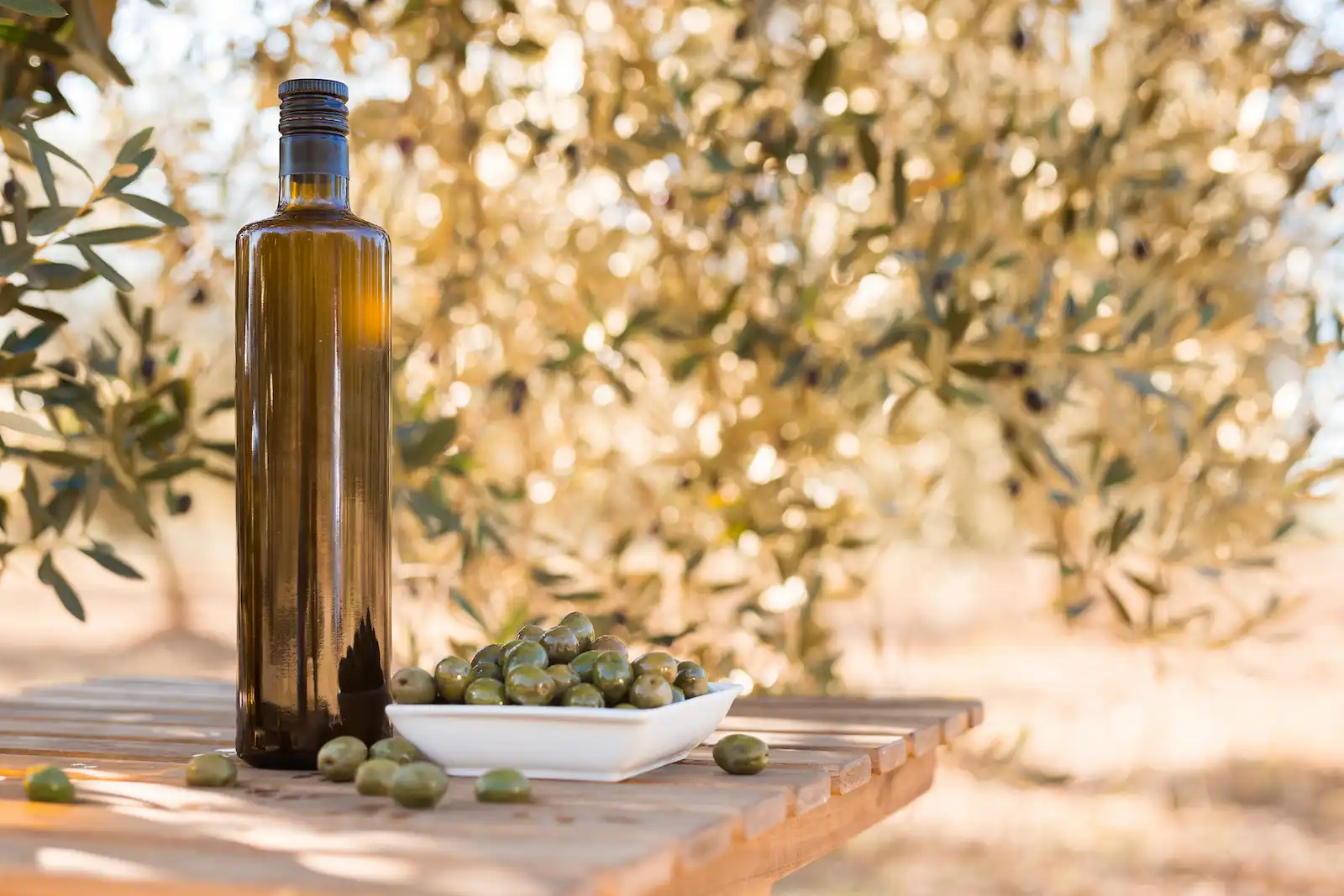
A bottle of extra virgin olive oil can tell you quite a bit before you open it. A harvest date places the oil in time. A named estate or grove gives you somewhere to trace the olives, and a variety name tells you more about what went into the bottle than the country of origin alone.
A test report answers a different question, depending on what was measured. A phenolic analysis measures a group of compounds in a sample. The International Olive Council trade standard sets out separate criteria for purity and quality, including chemical measurements and sensory assessment. The harvest, sample and date on a report help establish which oil it actually describes.
For the kitchen, there’s still a simple question of how much oil you’ll use. Someone who cooks with olive oil most evenings may finish a large bottle readily. A smaller bottle can make more sense for an oil used occasionally at the table. Our comparison brings bottle size and storage together with the sourcing and testing records each producer makes available.
Olive Oil Comparison: Sourcing, Testing, and Bottle Fit
We evaluated these olive oils using The Hearthful Standard, considering oil identity, packaging, everyday handling, storage and the quality of product records. Kyoord combines named Greek production with harvest-specific information, Oro Bailén identifies its Picual groves, Laudemio Poppiano adds estate and consortium records, and Blueprint provides an accessible analysis packet. Those are different evidence routes, not a ranking of health effects.
Some links in this guide are affiliate links. If you purchase through them, The Hearthful Home may earn a small commission at no additional cost to you. As an Amazon Associate, we earn from qualifying purchases.
Named Corfu production
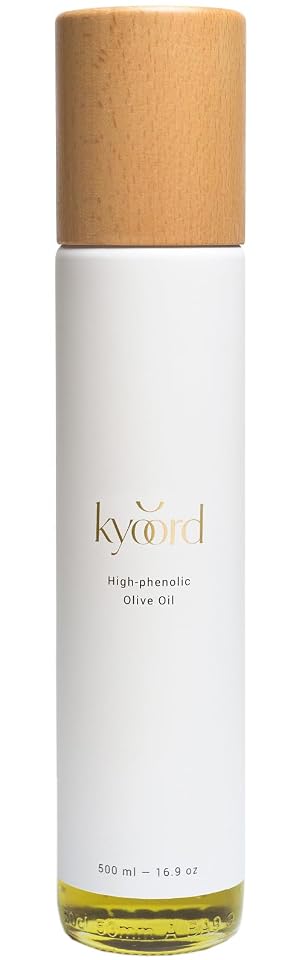
Kyoord High-phenolic Olive Oil
Kyoord identifies its Corfu production and the cultivars in its current offering. Its opaque half-liter bottle and published storage directions suit a regularly used kitchen oil, with harvest-specific information to check against the retail bottle.
Corfu, Greece · 500 mL · One bottle

Named-grove production
Oro Bailén Reserva Familiar Picual
Oro Bailén documents Picual, its Jaén production area, and own-grove sourcing. The selected 500 mL glass format suits a regular kitchen supply, with cultivar and format clearly identified for repeat purchases.
Reserva Familiar Picual · Spain · 500 mL · One bottle

Estate and consortium records
Laudemio Poppiano Guicciardini
Poppiano identifies its Podere La Costa selection and Frantoio olives. Laudemio’s published selection process adds context for buyers interested in a named estate and consortium records. The selected bottle is 500 mL; confirm the offered harvest with the seller.
500 mL · Podere La Costa · Frantoio · Tuscany
Accessible analysis packet
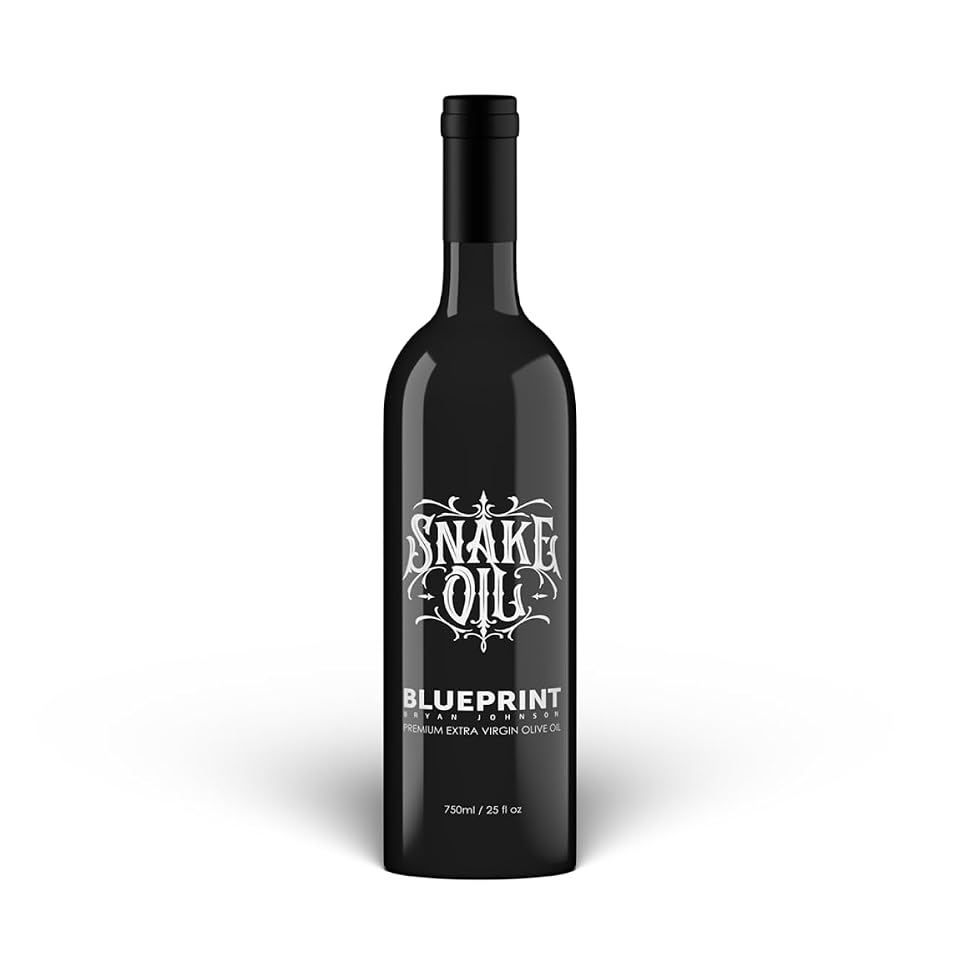
Blueprint Extra Virgin Olive Oil
Blueprint links an analysis packet with named samples, dates, and methods. Its 750 mL glass bottle suits a household that will use the larger amount. Check the current sourcing information when ordering again.
Extra Virgin Olive Oil · 750 mL · One glass bottle
What Actually Matters When Choosing Olive Oil
Start With an Identifiable Product
Record the producer, product line, bottle size, origin statement, and the lot or harvest information available for the oil you intend to buy. A report for another edition or an earlier harvest can explain a producer’s testing practice, while the record matching your bottle is the one to use for its reported results. Our olive oil label guide explains how grades, origin, and dates fit together.
Decide Which Testing Question You Want Answered
For phenolic content, look for the compounds or total measured, the method, and the units. For authenticity, look for the composition tests used to investigate purity. For an extra-virgin classification, check the chemical and sensory assessment. If your concern is a particular contaminant, look for that named substance in the test scope and its reporting limit. These are separate requests to make when contacting a producer.
Blueprint publishes an analysis packet with named samples, methods and dates. Match the lot you can buy to the report before relying on its result. If you chiefly want to know where an oil comes from, Oro Bailén’s account of its Picual olives and Jaén groves answers that question directly.
Keep the Method Beside a Polyphenol Number
The IOC phenolic methods describe different extraction and measurement procedures, including different ways to express results. A number becomes more useful when its method, reporting basis, sample, and date travel with it. Compare like measurements from comparable records; avoid turning unlike reports into a highest-number ranking. The olive oil lab report guide walks through the fields to check.
Read Certification in Its Actual Scope
A certification mark is most helpful when you can identify the program, the exact product, and what the program checks. Laboratory accreditation is another type of information: NIST explains that accreditation evaluates laboratory competence for specified methods. Use the laboratory’s scope alongside the test report, and the certification program’s requirements alongside its seal.
Choose Packaging and a Size You Will Use
The IOC storage guidance recommends protecting oil from light and heat and keeping the container closed. A protective bottle still needs a sensible place in the kitchen. Match the quantity you open to your actual use, especially if you keep several oils. Use our bottle-size calculator to estimate how long a purchase would last at your household’s current pace.
Understand What an Antioxidant Test Measures
A phenolic analysis measures defined compounds or a reported total. An antioxidant-activity test measures how a sample responds in a particular laboratory reaction. A study comparing methods across 16 olive oils measured these separately, with different procedures and units. When a product highlights antioxidants, look for the specific test and what its result represents.
How We Evaluate Extra Virgin Olive Oils
Our recommendations in this guide are research-based. Producer documentation, identified analysis reports, exact retail formats, and olive oil standards form the evidence base for this comparison.
Use the lot, harvest and analysis information to identify the bottle being discussed.
Producer claims remain attributed to their source. Where a public report identifies a particular sample or harvest, that scope stays with the result. Retail stock can change independently of a producer’s website, so the product notes highlight which bottle and record details to match.
Materials
The declared oil identity, ingredient information, container material, and protective packaging. Credit reflects a clear description of what you are buying and how the package supports everyday storage.
Design & Function
How the selected format brings its oil, quantity, packaging, and intended use together. A suitable format should make sense for the amount of oil a household expects to open and use.
Use & Interaction
The clarity of ordering information, edition and size choices, bottle handling, and the steps needed to locate relevant product records. We consider how much checking the buyer must do before ordering again.
Durability & Longevity
For a consumable oil, this factor concerns storage support: light protection, closure, manageable purchase quantity, and guidance for keeping the oil. It does not predict a fixed shelf life for a particular bottle.
Transparency & Trust
Named production details, traceable product identity, report access, and clear separation between a producer’s general specification and a result for an identified sample. Documentation earns credit when it helps a buyer ask a precise question.
A Closer Look at Each Pick
The Oro Bailén and Blueprint laboratory reports identify particular samples. To apply either report to a bottle for sale, look for a matching harvest or lot reference.
Named Corfu production
Kyoord High-phenolic Olive Oil
Corfu, Greece · 500 mL · One bottle
Choose Kyoord when the named Corfu production, opaque bottle and clear storage routine suit the way you use olive oil. Its practical appeal is the combination of identifiable sourcing and an ordinary kitchen-size format; the phenolic information still needs to be matched to the purchased harvest.
Price and availability last updated: 2026-11-25 at 19:02.
Materials
This selection is a single 500 mL bottle. The producer identifies Corfu, Greece, and Lianolia and Koroneiki olives for its extra virgin olive oil. Kyoord describes its white bottle as opaque, providing light protection while allowing the original label to stay with the oil. Keep it in a cupboard away from heat rather than treating the bottle finish as a reason to leave it beside the stove.
Design & Function
The half-liter format provides a manageable starting quantity for a household that regularly uses olive oil. Compare it with your actual cooking and dressing routine before ordering several bottles, since sealed reserves and multiple open bottles create different storage demands.
Use & Interaction
Choose the single 500 mL format when ordering this selection. Check the bottle count and exact product name again when returning to an Amazon listing, since larger packs and other Kyoord lines may appear alongside it. Keep a photograph of the harvest and lot information for the next order.
Durability & Longevity
Kyoord’s storage guidance recommends a cool, dark location and using an opened bottle within two months. Its two-year-from-harvest guidance is a producer recommendation, not a guarantee for a bottle with an unknown storage history. Close the bottle after pouring and plan how it will enter your meals before opening a second oil.
Transparency & Trust
The producer’s product page reports a November/December 2025 harvest and names phenolic results for the 2025/26 season. Those are manufacturer-reported harvest figures. For a precise phenolic comparison, obtain the analysis associated with the offered bottle and check its laboratory, method and sample identity before comparing numbers.
- Named Corfu production and cultivars
- Opaque bottle and published storage directions
- Single 500 mL purchase format
- Other Kyoord lines and pack sizes share listings
- Harvest-specific figures need a matching report
- Plan storage away from light
Named-grove production
Oro Bailén Reserva Familiar Picual
Reserva Familiar Picual · Spain · 500 mL · One bottle
Choose Oro Bailén when named production, a specific cultivar, and a manageable everyday format are priorities. Match current bottle details before applying a report’s results.
Price and availability last updated: 2026-11-25 at 15:29.
Materials
Oro Bailén’s Reserva Familiar page identifies the filtered Picual oil and 500 mL glass format. The cultivar, filtration and bottle size distinguish this oil from the producer’s other varieties and organic offerings.
Design & Function
Oro Bailén says its oil comes from its own olive groves and describes bottling according to demand from oil held in inert tanks. Those details explain where the oil comes from and how it is stored before bottling.
Use & Interaction
The cultivar and volume make reordering clear. Compare the bottle size and seller’s harvest information, especially when moving between a single bottle, a gift selection, or a larger container.
Durability & Longevity
Consider how quickly you will use a 500 mL bottle before opening another oil. Keep it closed and stored away from heat and direct light.
Transparency & Trust
A Laboratorio Tello report issued December 3, 2024 records quality, composition, and other analyses for an identified Oro Bailén Picual sample. Its two phenolic methods use different reporting bases. Treat this dated report as documentation of that sample and request the record relevant to your purchase.
- Producer identifies Picual and Jaén
- Own-grove production is documented
- 500 mL glass format
- Several varieties and formats share the brand
- Available report has a specific historical date
- Current harvest depends on the offered stock
Estate and consortium records
Laudemio Poppiano Guicciardini
500 mL · Podere La Costa · Frantoio · Tuscany
Choose Poppiano if its named estate and Laudemio’s published selection process appeal to you. Check the offered harvest and obtain a matching report for any specific laboratory claim.
Price and availability last updated: 2026-11-25 at 15:29.
Materials
The producer’s product sheet identifies Frantoio olives, and Laudemio uses glass bottles with presentation packaging. Those are suitable materials for a clearly identified culinary oil. Keep the bottle protected from light in its box or a cupboard after opening.
Design & Function
The producer describes a harvest in the first half of November and processing within 24 hours. These are useful process details to read alongside the particular harvest offered.
Use & Interaction
Conte Guicciardini identifies this selection as Podere La Costa at Castello di Poppiano. The 500 mL Amazon bottle matches one of the producer’s listed formats. Keep the estate name and harvest together when comparing bottles sold under the Laudemio trademark.
Durability & Longevity
The glass bottle and its protective presentation box provide a practical storage arrangement when kept away from heat. Close the bottle after pouring and retain the label as you use it. Choose a cupboard where the bottle is easy to reach during meals without being exposed to the stove’s warmth.
Transparency & Trust
The Laudemio consortium describes its control and final selection process, including tasting committees. That gives context for the trademark. For a specific phenolic or contaminant claim, ask for the matching analysis and its sample details.
- Identified Podere La Costa selection
- Exact producer sheet names Frantoio
- Published consortium selection process
- Laudemio includes several different producers
- Confirm the seller’s offered harvest
- Specific lab claims need matching reports
Accessible analysis packet
Blueprint Extra Virgin Olive Oil
Extra Virgin Olive Oil · 750 mL · One glass bottle
Choose Blueprint for accessible test documents and a larger bottle format. Its strongest practical advantage here is the ability to inspect records with named samples and methods.
Price and availability last updated: 2026-11-25 at 15:29.
Materials
The selected Amazon format is one 750 mL glass bottle. Blueprint describes UV-protective glass packaging on its product page; it still belongs away from direct light and heat.
Design & Function
The larger single bottle gives a regular user more oil between purchases. Compare that volume with household use before choosing it alongside other open bottles.
Use & Interaction
Blueprint’s current product description names Spain and Peru harvests as part of its alternating-hemisphere sourcing, while another section still describes Portuguese oil. Check the origin and harvest on the offered bottle rather than treating any one origin as a permanent product specification. The 750 mL format itself is straightforward to order, but that mixed sourcing information merits clarification when matching a report.
Durability & Longevity
The protective glass helps with storage, but consider how quickly your household will use the 750 mL bottle. Keep the bottle closed and retain the original label until it is finished.
Transparency & Trust
Blueprint’s certificate directory links to the testing records for its oil. The posted laboratory packet includes November and December 2025 records for samples LS2655 and LS2655 VP3, with phenolic, chemical, named-metal, and residue analyses. Read each test’s method and reporting limit, then match the offered bottle to the relevant production record.
- Publicly linked analysis packet
- Identified samples, dates, and test methods
- 750 mL glass format
- Larger quantity needs regular use
- Origin and harvest can change
- Reports must be matched to the offered bottle
Tips for Buying and Using Olive Oil
Save the Bottle Details With the Report
Photograph the front label, back label, lot code, and date markings when the bottle arrives. Save the producer’s matching report with those images. On the next purchase, compare the identifiers again instead of assuming that the same product page represents the same harvest.
Ask for the Document Behind the Claim
A useful request names the product and lot, then asks for the report date, sample identity, laboratory, method, and relevant results. If you want a purity assessment, ask which purity tests were performed. If you want phenolic information, ask how the reported total was measured and expressed.
Keep Daily Storage Simple
Choose a closed cupboard away from the stove and direct sunlight, replace the closure after pouring, and keep the bottle label available. If you use a separate dispenser, carry the original product and date information over to your records. Our olive oil storage guide covers placement, air exposure, and decanting in more detail.
Use Cooking Guidance for the Cooking Task
Choose the quantity you expect to use in your normal meals. For sautéing, roasting, or frying, follow the recipe and control the heat rather than choosing a temperature from a phenolic number. The guide to cooking with olive oil explains smoke point, heating conditions, and what studies measure.
Extra Virgin Olive Oil FAQs
Which of these oils should I choose first?
Choose by the information you want to follow and the format you will use. Kyoord identifies its Greek production and storage routine, Oro Bailén documents Picual sourcing, Laudemio Poppiano combines a named estate with the Laudemio selection program, and Blueprint provides a testing-information route. Read the exact record and bottle notes in each profile before choosing a quantity.
Does a high polyphenol result prove that an oil is authentic?
A phenolic result answers a measurement question about the submitted sample. Authenticity assessment uses relevant composition checks, and extra-virgin grade has its own chemical and sensory criteria. Ask for the evidence that addresses your question rather than treating one result as a complete product certificate.
Can I compare polyphenol numbers from different brands?
Start by checking the methods, units, reporting basis, and sample dates. Two totals may cover different compounds or use different measurement procedures. Keep unlike results separate unless the laboratory provides a sound basis for comparing them.
Does lab-tested mean every bottle has the same results?
Read the sampling and testing policy and match the report to the product lot or harvest it identifies. A report describes its submitted sample. The producer can explain how that sample relates to a production batch and how the brand checks later batches.
Why does a report mention taste if I am interested in authenticity?
Formal sensory assessment helps classify virgin olive oils, alongside chemical criteria. It has a defined role in grade assessment. Your personal preference for a mild or peppery oil is a separate purchase consideration.
Is a single-origin oil automatically a better choice than a blend?
A clear origin statement is useful information about sourcing. Compare a blend or a single-origin product by its own traceability, grade documentation, packaging, and purchase fit. The number of origins does not supply a phenolic measurement or replace a relevant analysis report.
Will a published harvest date match the bottle on Amazon?
Check the exact seller and listing, especially when product images mention a harvest. The producer’s current direct-store offering and a retailer’s stock can differ. Ask the seller to confirm the bottle’s harvest or lot if that detail determines your purchase.
Should I buy a larger bottle for better value?
Compare the total amount you will open with the amount you actually use. A multipack can be practical when unopened bottles remain closed until needed. The bottle-size guide estimates use-up time so you can compare quantities before ordering.
Important: This article provides general information, not individualized medical, safety, installation, legal, or other professional advice. Product specifications, instructions, and safety information can change; verify current information with the manufacturer and consult an appropriately qualified professional when needed. See our Terms and Conditions for additional information.