

Earbuds come with a choice you can feel before the first song starts. An in-ear tip sits in the ear canal and makes a seal. An open-ear cuff or hook leaves the canal open. Someone who wants less background sound on a train may prefer the first shape, while someone who wants to hear a colleague calling across the room may prefer the second.
Fit affects more than listening. A hook shares space with glasses, a cuff can sit close to an earring, and removable tips have their own cleaning instructions. The controls matter when a phone is in a bag and all you want to do is adjust the volume or answer a call.
The four pairs here include two in-ear designs and two quite different open-ear styles. We compare how each sits on the ear, what happens when you switch between a phone and a laptop, and how the buds and their charging case fit into a day away from an outlet.
Earbud Comparison: Fit, Features, and Tradeoffs
We evaluated these earbuds using The Hearthful Standard, considering their construction, listening features, controls, care, and device requirements. We selected AirPods Pro 3 for Apple-device switching and stem volume control, and Sony WF-1000XM5 for app adjustments and two-device connectivity. Bose Ultra Open offers a cuff-shaped alternative that leaves the ear canal open. SHOKZ OpenFit 2+ provides an open-ear hook design with physical buttons and wireless case charging.
Some links in this guide are affiliate links. If you purchase through them, The Hearthful Home may earn a small commission at no additional cost to you. As an Amazon Associate, we earn from qualifying purchases.
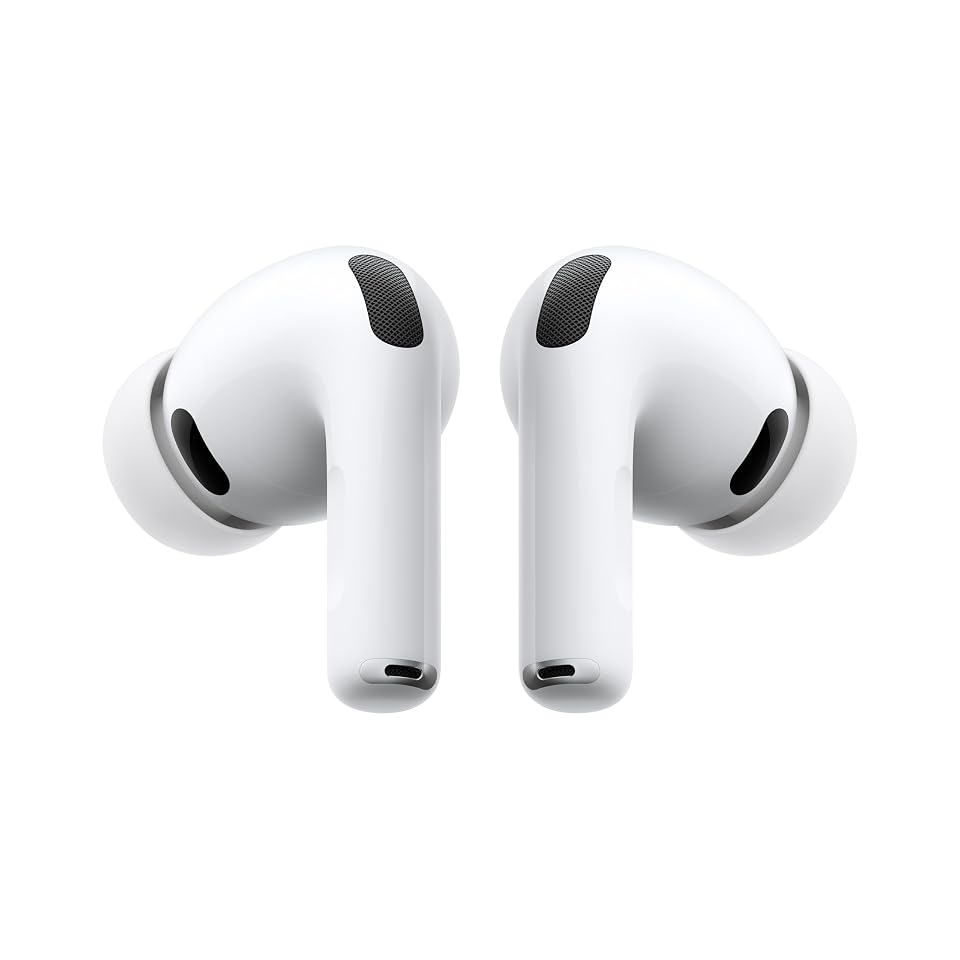
For a compatible Apple setup
Apple AirPods Pro 3
An in-ear option with Apple-device switching, stem volume control, and five tip sizes. Its value depends on your exact phone and software, particularly if you want features beyond Bluetooth listening and calls.
AirPods Pro 3 with MagSafe Charging Case (USB-C), MFHP4LL/A
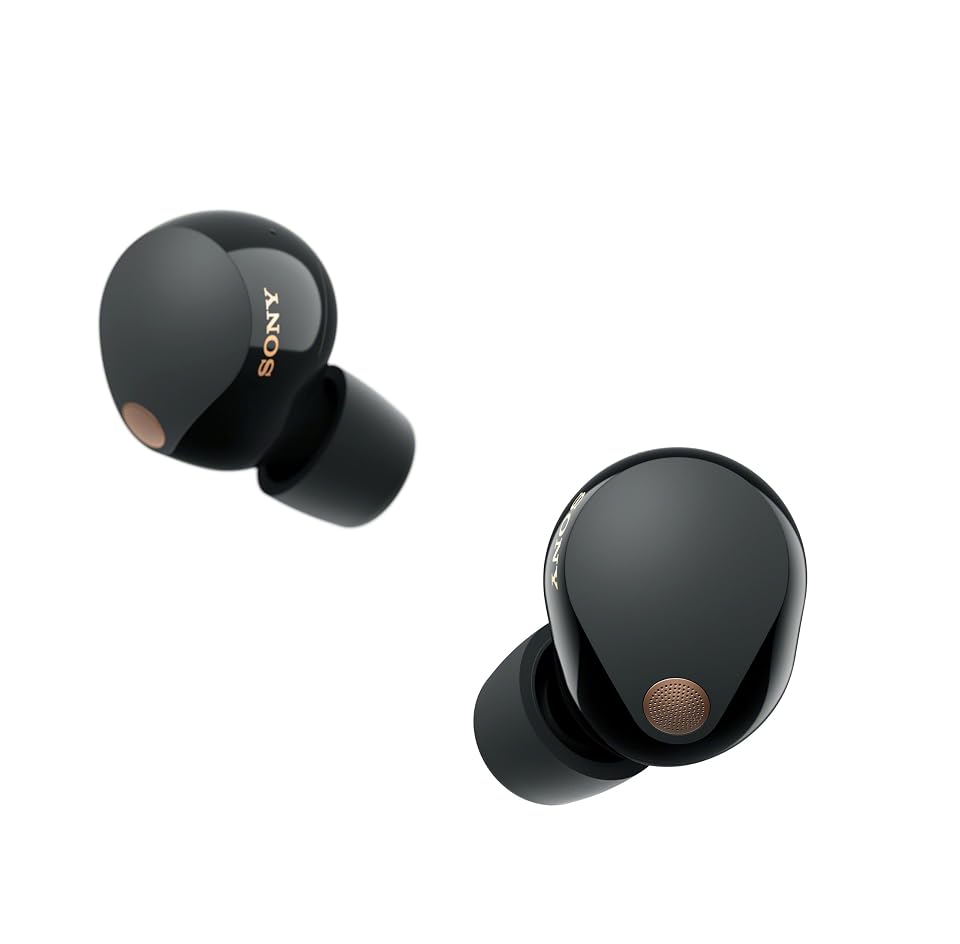
For adjustable sound and two devices
Sony WF-1000XM5
An in-ear choice for app adjustments and switching between two connected devices. Its foam tips require dry cleaning, and the charging case needs protection from moisture. Check the audio format and listening mode behind each battery figure.
Black, WF1000XM5/B
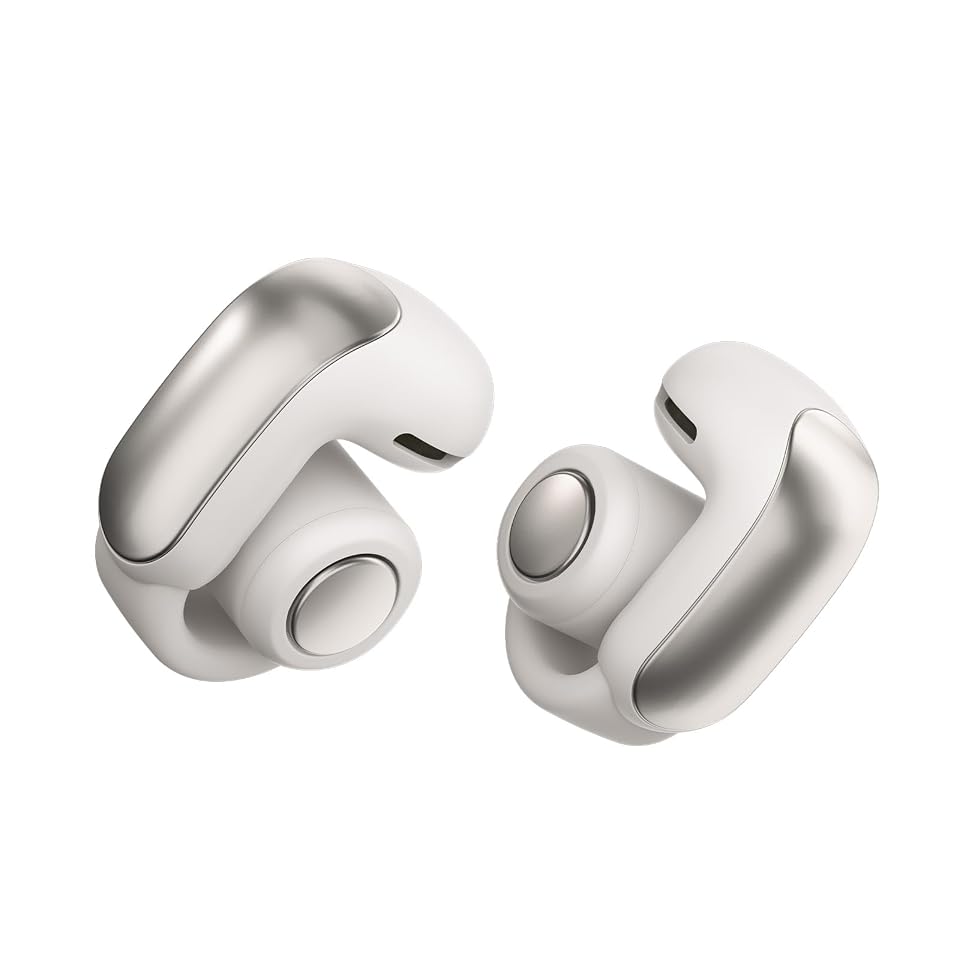
A cuff shape that leaves the canal open
Bose Ultra Open Earbuds
A cuff-shaped alternative to sealed earbuds and over-ear hooks. Physical buttons and two-device connectivity support everyday use, while battery mode, jewelry clearance, and the case’s lower water rating deserve attention.
White Smoke

Ear hooks with physical controls
SHOKZ OpenFit 2+
An open-ear hook design with physical controls and USB-C or Qi charging. Its published battery figures depend on settings, and the IP55 earbud rating does not cover the charging case.
Black, T921, with wireless charging case
What Matters When Choosing Everyday Earbuds
Choose the Contact Style First
With a sealed design, assess both the removable tip and the housing resting against the outer ear. With a clip or hook, assess its contact points and the space it shares with glasses, earrings, or a hat. Moving contact outside the canal changes the fitting task; it does not settle comfort for every ear.
Check the included sizes and permitted adjustments, then read the actual seller’s rules for opened earbuds. Our earbud fit and comfort guide provides a repeatable way to compare contact, stability, everyday accessories, and case fit.
Match the Listening Environment
Decide whether you want a sealed listening setup with active noise cancellation (ANC) and a mode for hearing surrounding sound, or a speaker positioned outside the canal. The Apple and Sony models here offer the first approach; Bose and SHOKZ offer the second. Read the controls for changing modes instead of assuming every product has the same options.
For walks, an open design or transparency setting is not a guarantee that you will notice traffic. NHTSA’s walking guidance emphasizes watching traffic, using suitable crossings, and staying alert to vehicles entering driveways. Pause listening when it interferes with attention to the route.
Separate Music Features From Call Requirements
For music, check the sound settings you can actually access on your phone. For calls, list the meeting app, microphone selection, mute control, and device-switching sequence you need. A noise-cancellation feature for listening does not establish how your voice will sound at the other end of a call.
If your day alternates between a phone and a work computer, the Sony WF-1000XM5’s two-device connection is a reason to compare it with the Bose Ultra Open’s cuff format. A headset can connect to both devices yet still use a different microphone mode or call control on each. Check the requirements for your meeting app and the earbud controls you want before choosing on music features alone.
Where the return policy permits evaluation, try that calling setup in the conditions you normally use. Check whether pressing a control moves the earbud and whether microphone status is clear in the app. A published microphone count alone cannot answer those practical questions.
Check Each Device and Each Feature
Write down the phone and computer models you use, then separate basic audio from app settings, firmware updates, and switching. A pair may connect for music while requiring another device for a particular adjustment. Saved pairings, Bluetooth multipoint, and account-based switching describe different arrangements.
Use our earbud compatibility guide to check the exact workflow. Resolve a must-have feature before checkout, especially if you depend on a managed work laptop, a particular meeting app, or a phone that no longer receives current software.
Compare Battery Claims Under Matching Conditions
Your longest uninterrupted session belongs beside the single-charge specification. A combined earbud-and-case total describes listening across recharges. Check whether the figure uses music or calls, which noise or spatial settings were enabled, and whether the total already includes the first charge.
The battery-life guide and planning calculator help compare those claims with your schedule. Keep a charging opportunity in the plan, and check the charge of the case separately. A large total does not remove the time the earbuds must spend inside it.
Read Protection and Care for Both Parts
Find the earbud rating and the case’s separate statement. Then check the permitted activities and the cleaning method for the body, tips, mesh, and contacts. A replaceable foam tip can have different care rules from a silicone one, and a protected earbud can come with a case that needs to stay dry.
Our earbud water-resistance and care guide explains the rating categories and exact-model drying examples. Keep the instructions with the purchase record so you can check them before trying a cleaner or returning wet earbuds to the case.
Narrow the Shortlist Around One Priority
Choose the requirement you would least want to compromise, then check the condition beside it. Several models may still qualify; use fit, device support, and the seller’s terms to make the next cut.
Match the requirement, then check the condition
- Apple device integration
- Start with AirPods Pro 3. Confirm that the specific feature you want works with your Apple devices and current software.
- Sealed tips and app settings
- Compare Sony WF-1000XM5. Check the supported connection mode and whether its tip-care routine suits you.
- An outside-canal clip
- Consider Bose Ultra Open. Check where the clip contacts your ear and whether earrings share that space.
- An ear hook and buttons
- Consider SHOKZ OpenFit 2+. Check the hook with your glasses and try the controls in your normal setup.
How We Evaluate Earbuds
Our recommendations in this guide are research-based. Exact-model specifications, manufacturer manuals, material disclosures, software requirements, care instructions, and the identity of the linked retail version inform this comparison.
Check how the earbuds sit and which functions your phone supports.
Materials
We assess the construction of the housing, ear-contact surfaces, tips and supports in relation to their intended use. Replaceable contact pieces and appropriate care matter to ongoing fit and ownership. A soft-material description alone does not establish personal comfort.
Design & Function
We consider the listening format, available controls, charging arrangement, and the functions that distinguish the exact model. A sealed tip, an outside-canal clip, and an ear hook each serve a different preference.
Use & Interaction
We review the steps required to fit, operate, switch, update, and charge the earbuds. App access and device requirements matter when a useful function depends on them. Clear instructions and manageable routines contribute more than an unsupported ease-of-use claim.
Durability & Longevity
We examine protection limits, cleaning requirements, replaceable accessories, and documented service options. The useful question is how an owner can care for the exact set and address a worn or lost part. A rating or warranty does not predict how many years a pair will last.
Transparency & Trust
We look for an exact match among the product name, retail variation, specifications, and instructions. Battery modes, case protection, software dependencies, and conflicting published figures receive attention because they can materially change the purchase decision.
A Closer Look at Each Pick
For a compatible Apple setup
Apple AirPods Pro 3
AirPods Pro 3 with MagSafe Charging Case (USB-C), MFHP4LL/A
Choose AirPods Pro 3 when the Apple features you want work with the devices you own. Spend time selecting the tips, and judge the price against that usable feature set.
Price and availability last updated: 2026-11-25 at 19:25.
Materials
Apple identifies plastic housing and silicone or silicone-foam contact tips; its Pro 3 fit guide specifies silicone-foam tips. Five sizes run from XXS to L. The Acoustic Seal Test on a compatible iPhone or iPad helps check the seal, while your own comfort determines whether that size is suitable.
Design & Function
The Pro 3 specification includes ANC, Transparency mode, stem swipes for volume, and USB-C, MagSafe, Apple Watch, or Qi charging. Apple claims up to 8 hours per charge and 24 hours combined with ANC on. The combined figure includes the initial charge and later case refills. A USB-C cable is sold separately.
Use & Interaction
Automatic switching requires supported Apple devices with current operating systems and the same Apple Account using two-factor authentication. A non-Apple device can provide Bluetooth listening and calls without Siri. Check your actual devices and required features before choosing these for a mixed phone-and-computer routine.
Durability & Longevity
Apple rates both earbuds and case IP57 for dust, sweat and water resistance, while excluding swimming and showering from intended use. Follow its model-specific cleaning instructions: removed tips can be rinsed with water and must dry before reattachment, while the case needs its separate wiping procedure. Apple also provides a repair or replacement service route with an inspection-based estimate for work outside coverage. The service page allows replacement of lost earbuds or a case, which is useful when one component needs attention rather than the entire set.
Transparency & Trust
Apple’s one-year accessory warranty covers qualifying defects, including eligible third-party purchases, but excludes normal battery depletion. Keep your purchase record and check the seller’s return terms separately. Apple’s detailed battery-test conditions help compare claims; they do not guarantee how long your own settings and listening routine will run.
- Five included tip sizes
- Volume adjustment on the stems
- Several case-charging options
- Advanced features depend on compatible devices and software
- Charging cable is an extra purchase if needed
- Normal battery wear is outside the limited defect warranty
For adjustable sound and two devices
Sony WF-1000XM5
Black, WF1000XM5/B
Choose the WF-1000XM5 if you want adjustable sound and two-device switching. Its foam tips need dry cleaning, and battery life varies with audio format and whether you are listening or calling.
Price and availability last updated: 2026-11-25 at 19:25.
Materials
Sony’s tip instructions identify polyurethane foam in four sizes, SS through L, with replaceable tips rather than a permanent foam contact surface. Choose the size with a comfortable seal and check that its stem fully covers the sound conduit after fitting it. The app can check the seal, while the individual ear still determines whether that pressure and contact feel suitable.
Design & Function
With ANC on, Sony’s runtime table lists up to 8 hours for AAC music, 5 hours for LDAC music, and 6 hours for calls. AAC and LDAC are Bluetooth audio formats. Its US product page describes about 24 hours combined using the 8-hour playback figure and case recharges. Compare the mode you expect to use, especially for a long call.
Use & Interaction
Multipoint keeps two devices connected; stop one device’s music before starting the other’s. The app provides equalizer, ambient-sound, and touch-control settings, but its multipoint setting is unavailable during an LE Audio connection, an alternative Bluetooth audio mode. Check these choices with your phone before assuming every feature operates together.
Durability & Longevity
The earbuds are IPX4 splash resistant, while the charging case is not water resistant. Keep the case dry and clean the foam tips with a dry cloth rather than water, wet wipes or alcohol. Sony’s current replacement guidance lists replacement charging cases through its authorized parts distributor, but says individual WF-1000XM5 replacement earbuds are not yet available for purchase. That is a concrete limitation if one earbud is lost or damaged, even though tips and the case have separate replacement routes.
Transparency & Trust
Sony identifies EP-NI1010 replacement tips, with availability varying by region. Its US warranty policy excludes unauthorized sellers. Check the actual Amazon seller and return terms, and retain the receipt. Fulfillment by Amazon alone does not establish manufacturer-warranty eligibility.
- Equalizer and ambient-sound adjustments
- Two-device multipoint
- Documented replacement-tip family
- Foam tips need dry cleaning
- Charging case lacks water resistance
- LDAC and calls have different runtime figures
A cuff shape that leaves the canal open
Bose Ultra Open Earbuds
White Smoke
Choose Ultra Open if you want a cuff that leaves the ear canal open and prefer physical buttons. Check the fit with glasses or jewelry, app compatibility, and battery life for your longest listening session.
Price and availability last updated: 2026-11-25 at 19:25.
Materials
Bose’s family specification lists plastic, metal and silicone, while its fitting instructions describe the flexible arm connecting the outer speaker to the barrel behind the ear. This arrangement keeps a removable tip out of the canal and gives the cuff a small range of positioning adjustment. Finish details on special-edition product pages should not be transferred to the selected White Smoke model; check the actual contact surfaces if you have a known sensitivity.
The fitting instructions allow small position adjustments along the outer ear. Assess each side separately, including whether jewelry touches the cuff or its magnets. A material list alone cannot settle that fit decision.
Design & Function
Bose’s current product page lists up to 7 hours of stereo playback, or up to 4 with Immersive Audio or Auto Volume. The case adds up to 19.5 hours with both features off. These are mode-dependent manufacturer claims. Its older test footnotes and manual show slightly higher single-charge figures, so leave margin when planning an uninterrupted listening session.
Use & Interaction
Physical buttons handle playback, calls, and volume. Current manual instructions support two connected devices, with audio from one at a time. Rehearse the actual phone-to-laptop sequence you expect to use, including answering and ending calls, before deciding that the controls suit you.
Earbud updates use the Bose app; the charging case has a separate computer-based updater. Keep access to those routes in your ownership plan. Basic Bluetooth pairing does not replace the app connection needed to transfer an earbud update.
Durability & Longevity
The manual rates the earbuds IPX4 and the case IPX1. Keep the case away from splashes and do not submerge either component. Bose permits a water-dampened cloth on the buds and case, but a dry soft swab on the earbud charging contacts; alcohol, ammonia and abrasive cleaners are excluded. Bose separately lists a replacement charging case, so confirm current stock and compatibility if that component needs replacing.
Transparency & Trust
Bose lists a one-year limited warranty. Its seller policy restricts that coverage to authorized purchases. Check who sells the selected Amazon offer and retain the receipt; a familiar listing page does not establish every seller’s eligibility. Confirm the seller’s return terms separately so you have a practical route if the cuff shape does not suit your ears.
- Distinct cuff attachment
- Physical buttons and two-device connectivity
- Detailed component-specific care instructions
- No active noise cancellation
- Case has lower water protection than earbuds
- Current and older battery claims differ
Ear hooks with physical controls
SHOKZ OpenFit 2+
Black, T921, with wireless charging case
Choose OpenFit 2+ when an ear hook and flexible charging options suit your routine. Check the complete fit and app setup, then weigh the warranty against the lack of a repair service.
Price and availability last updated: 2026-11-25 at 19:25.
Materials
SHOKZ’s OpenFit 2+ specification identifies polycarbonate and Ultra-Soft Silicone 2.0 for the earbuds, with a polycarbonate case. The flexible hook supports the earbud around the outside of the ear, while physical buttons remain accessible on its body. These are suitable documented components for that wearing arrangement, but the exact contact points still need to work with your ear and glasses.
The model is offered in one size. During a permitted fit check, wear the glasses and headwear you actually use, and notice whether operating a button shifts the earbud. Its published weight of about 9.4 g per earbud provides context, but contact position still matters.
Design & Function
SHOKZ advertises up to 11 hours from the earbuds and 48 hours total with the case. Its battery test conditions use SBC Bluetooth audio at 50% volume, default features, and 25 ± 2°C. The OpenFit 2+ FAQ says Dolby Audio reduces earbud life by approximately two hours. Leave room for settings and usage to change those figures.
The case supports USB-C and Qi wireless charging. A wireless charger is not included, so check whether a compatible pad is already part of your desk or bedside setup before treating that feature as a convenience.
Use & Interaction
Physical buttons handle music, calls and volume, while the separate touch function activates a device voice assistant after it is enabled in the app. This division is useful to check if you want button operation for routine listening and calls without accidental touch commands.
The SHOKZ app provides control customization, equalizer settings, Dolby Audio selection, and firmware updates. It also enables two-device multipoint. Set up your actual phone and second device, then check their switching behavior with the apps you use rather than assuming that every workflow will behave identically.
Durability & Longevity
The model-specific manual excludes the case from the earbuds’ IP55 rating. It prohibits immersion and calls for complete drying before use or charging after accidental water exposure. Dry-cloth cleaning is the routine; the manual excludes washing with water, alcohol, and abrasive cleaners. Keep the case dry and check the contacts before putting the earbuds away.
Transparency & Trust
The US warranty covers eligible new headphones for two years from purchase through SHOKZ or an authorized retailer. Keep proof of purchase and check the Amazon seller. Misuse, loss, and submersion outside the specifications are excluded.
SHOKZ says it does not offer a repair service. A warranty replacement may be refurbished, and replacement does not restart the original coverage period. These terms matter if repairability or a long ownership cycle is a priority; compare them alongside the current purchase price.
- Physical controls with app customization
- USB-C and Qi charging
- Published battery test conditions
- One-size hook fit needs checking
- Earbud water rating excludes the case
- Manufacturer does not offer a repair service
Tips for Easier Earbud Ownership
Set Up the Routine You Will Repeat
Install the supported app, review firmware instructions, and learn the controls you need most. Try returning from a call to your original audio source. Save the earbud model and case identity with the receipt so future accessory and service searches begin with the right product.
Make a Permitted Fit Trial Specific
Compare left and right ears separately. Wear your usual glasses and check ordinary head movement, speaking, controls, and removal. Change one permitted adjustment at a time. If a contact point hurts, stop using that fit rather than forcing it through a longer session.
Keep Volume and Listening Time in View
The National Institute on Deafness and Other Communication Disorders identifies both loudness and exposure time as hearing-risk factors. Avoid turning music up to compete with a loud environment. If the surroundings are too noisy for comfortable listening, move somewhere quieter or stop listening.
Keep Charging Contacts Ready
Follow the model’s drying instructions before returning damp earbuds to their case. Check the charge display for both parts before a long journey, and keep the required cable or charger where you can use it. Treat a quick-charge claim as conditional guidance for that model, not a complete charging schedule.
Check the Offer as Carefully as the Model
On Amazon, confirm the selected variation, condition, seller, included case, and return terms. A manufacturer’s direct-store trial or bundle may differ from the offer you are buying. Check replacement tip or accessory compatibility before adding it to the order.
Everyday Earbud FAQs
Which of these earbuds should I consider first?
Begin with contact style and required device features. AirPods Pro 3 belongs on the shortlist for supported Apple functions, and WF-1000XM5 for a configurable sealed design. Ultra Open offers a clip arrangement, while OpenFit 2+ uses an ear hook. The profile tradeoffs help separate the options after that first choice.
Are open-ear earbuds always more comfortable?
An outside-canal design changes where the product touches you. A clip can still create an unwanted contact point, and a hook can share space with glasses. Check the actual fit and permitted adjustments. The fit guide linked above helps distinguish those issues from tip sizing.
Are Bose Ultra Open and SHOKZ OpenFit 2+ bone-conduction headphones?
These models use speakers positioned near the ear rather than a bone-conduction transducer. Open-ear describes the wearing arrangement; it does not identify one universal sound-delivery technology. If bone conduction is a purchase requirement, check the exact product’s stated design.
Will the highest case total cover my longest meeting?
If you use wireless earbuds for calls, compare the stated talk time for one charge with the length of your longest meeting. A music playback figure answers a different question. The case total assumes breaks for recharging under the stated test conditions. The battery planner linked above keeps those two questions separate.
Does multipoint mean I will hear both devices at once?
Do not assume it mixes audio. Check the model’s connection limit, playback priority, and call behavior. Confirm how the earbuds return to the first source after the interruption. The compatibility guide provides a worksheet for checking both devices.
Can I use these earbuds for swimming?
No. These selected models are not intended for swimming. Follow the manufacturer’s limits for the exact earbuds and case, including drying before charging. The profiles and linked care guide explain why a water-resistance rating does not authorize every kind of water exposure.
Are earbuds or over-ear headphones the better everyday choice?
Compare where you want the product to make contact, what you can carry, and the time you expect to wear it. Earbuds offer a compact format, while headphones use a different support arrangement around the head and ears. Our noise-cancelling headphone guide provides another set of options if the earbud designs here do not suit your routine.
Important: This article provides general information, not individualized medical, safety, installation, legal, or other professional advice. Product specifications, instructions, and safety information can change; verify current information with the manufacturer and consult an appropriately qualified professional when needed. See our Terms and Conditions for additional information.