

The protein powder that works in a shaker after a morning workout can taste quite different stirred into oatmeal or blended with fruit. Vanilla adds sweetness and flavor of its own. An unflavored powder leaves more room for cocoa, coffee or the berries already in the glass.
The protein source changes the choice, too. Whey comes from milk, egg white powder from eggs, and a plant blend can contain several protein sources alongside flavorings and sweeteners. Two similarly sized scoops can supply different amounts of protein. Our protein powder label guide explains how to compare the same amount across products.
This comparison includes flavored and unflavored whey, a vanilla plant blend and a plain egg white powder. We look at what each brings to the recipe, which other ingredients come along with it and how many labeled servings the package holds.
Protein Powder Comparison: Formula and Everyday Fit
We evaluated these protein powders using The Hearthful Standard, considering ingredients, preparation, everyday use, storage, and the clarity of product-specific records. We selected Transparent Labs French Vanilla for a flavored whey isolate with published testing records, and AGN Roots for an unflavored whey isolate with two listed ingredients. Orgain provides a flavored plant-based blend, while Naked Egg offers an unflavored egg-white alternative with sunflower lecithin.
Some links in this guide are affiliate links. If you purchase through them, The Hearthful Home may earn a small commission at no additional cost to you. As an Amazon Associate, we earn from qualifying purchases.

Best for flavored whey with published records
Transparent Labs Whey Protein Isolate
French Vanilla pairs whey isolate with stevia, natural flavors, and sunflower lecithin. The brand supplies shaker instructions and named testing records for readers who prefer a flavored whey powder.
French Vanilla · 30-serving tub

Best for unflavored whey in a pouch
AGN Roots Grass-Fed Whey
This unflavored whey isolate has two listed ingredients and a 47-serving pouch. It suits adding your own recipe ingredients. The maker supplies mixing and storage guidance, alongside matching protein and sport program records.
Unflavored · 3 lb pouch · 47 servings

Best for a flavored plant blend
Orgain Organic Plant-Based Protein
A flavored plant blend for readers who want the drink ingredients combined. Check its preparation volume against your usual shaker, and compare the full formula with the ingredients you want.
Vanilla Bean · 2.03 lb canister · About 20 servings
Best for an unflavored egg-based option
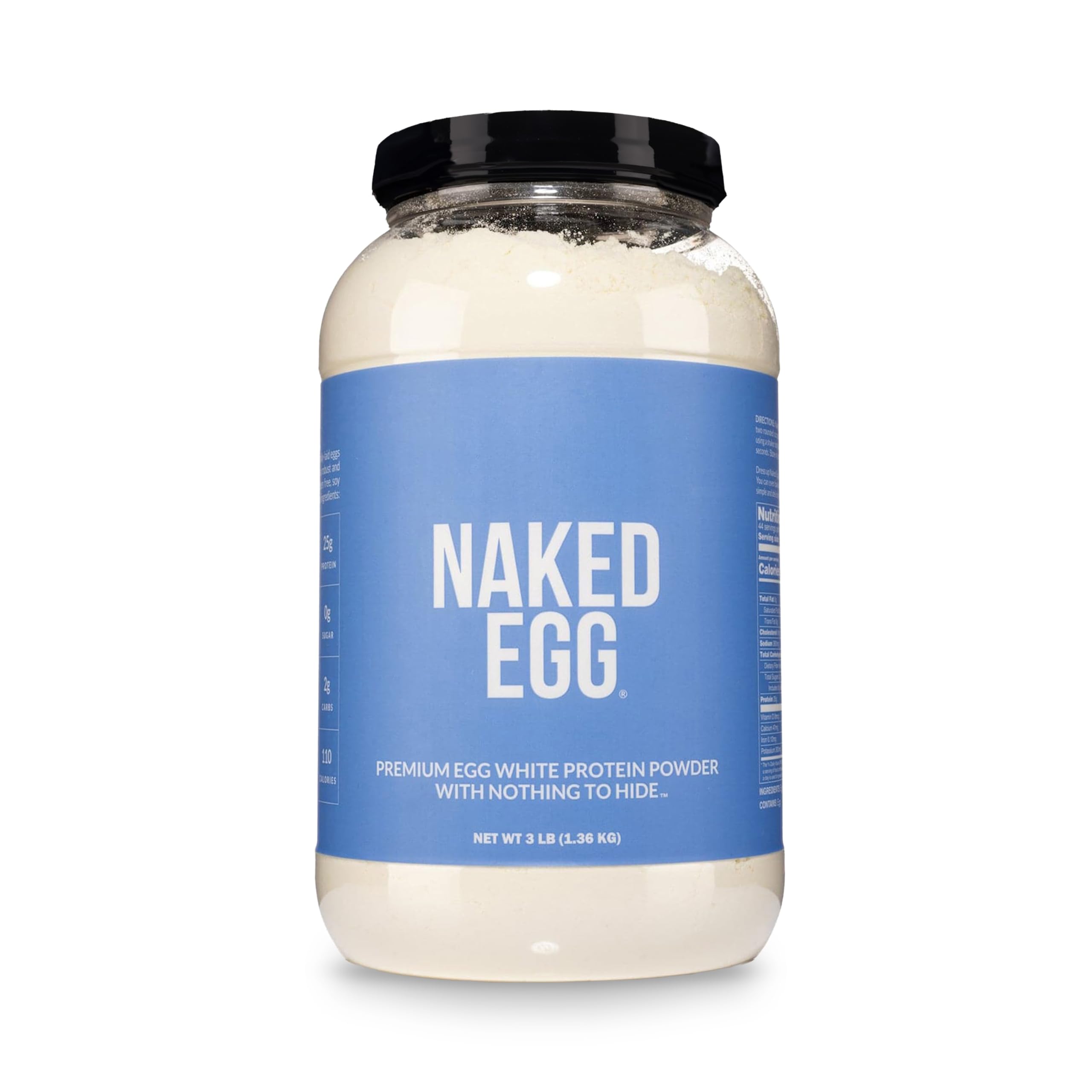
Naked Egg White Protein
Naked Egg pairs egg white protein with sunflower lecithin in an unflavored powder. Its 3 lb tub provides 44 labeled servings. Choose it when egg is the source you want and you prefer to supply any flavor separately.
Unflavored · 3 lb tub · 44 servings
What to Check Before Buying Protein Powder
Choose the Complete Formula
Begin with the source you want and the ingredients you need to check. Then decide whether the powder should supply its own flavor or become an ingredient in a drink or recipe you already make. Keep the flavor name and package size beside the label when comparing versions.
A household avoiding dairy can rule out both whey options at the label stage. Orgain uses plant ingredients and flavoring. Naked Egg is an unflavored egg-based formula. If eggs are also excluded, the egg powder drops out as well. Compare the exact ingredients and serving size before using tub price to decide.
Look beyond the front of the tub to the full formula and allergen information. The label guide covers protein sources, sweeteners, and supporting ingredients; the profiles here apply that reading to the selected products.
Read the Serving and the Package Together
Record the labeled powder weight, declared protein grams, and servings per container on separate lines. A tub with more servings may use a different serving size. Use the selected package’s information when comparing it with another size or flavor.
For a multipack, check how many identical containers are included in the offer. The cost tool below compares both labeled servings and a common quantity of declared protein, which makes those differences easier to follow.
Match Preparation to the Way You Will Use It
Read the maker’s liquid quantity and mixing instructions before choosing a powder for a quick shake, smoothie, or recipe. A product you intend to stir at work needs directions that suit the equipment available there. A larger container also needs a convenient measuring and storage spot.
If a product is new to you, the available package sizes are part of the decision. Consider how much formula you want to commit to before choosing a bulk offer, even when its unit price is lower.
Check the Product Behind the Testing Claim
A specific certification entry or report gives you a record to match with the formula being sold. Keep the brand, product name, flavor, market, and any relevant lot code together. Follow the listed program’s scope when deciding which question the record answers.
Our protein powder testing guide explains protein-content measurements, contaminant panels, and sport programs. Here, the transparency assessment focuses on the documentation that can be connected to each selected product.
Compare the Cost of the Offer
Compare the offers you are considering using their current prices. The tool shows both the cost of a labeled serving and the cost of a common quantity of declared protein.
Protein Powder Purchase Value
Enter the complete offer price and the dry-powder label information for each identical container. Use a consistent approach to tax and delivery when comparing offers. The starting values of one container, 30 servings, and 20 g protein per serving are examples.
The 100 g figure is a price-comparison unit, not a serving or intake recommendation. Results estimate powder-only cost using the label, including any rounded or approximate amounts. Keep milk and other additions separate. Compare the price alongside the complete formula, preparation, and testing evidence.
Manual calculation: containers × labeled servings per container gives total servings. Divide the offer price by that total for cost per serving. For cost per 100 g declared protein, divide the price by total servings × protein grams per serving, then multiply by 100.
Illustrative example: a $48 offer with two containers, 30 servings in each, and 20 g declared protein per serving contains 60 labeled servings. $48 ÷ 60 = $0.80 per serving; $48 ÷ (60 × 20) × 100 = $4.00 per 100 g declared protein.
How We Evaluate Protein Powders
Our recommendations in this guide are research-based. Manufacturer ingredient panels, preparation instructions, package formats, and matching testing records guide this comparison and its product-specific buying advice.
The assessment concerns the documented formula, format, and ownership details of the exact version selected.
For protein powders, Materials covers ingredients and source disclosures. Design & Function considers the format and portion information. Use & Interaction addresses the supplied preparation routine. Durability & Longevity concerns storage and package management, while Transparency & Trust considers the clarity and specificity of the supporting records.
Compare the Selected Labels
These details belong to the versions named in the shopping cards. Keep the dry-powder serving and protein amount together, and check the package again when a flavor or size changes.
| Product and version | Protein and dry-powder serving | Selected package | Formula and preparation checkpoint |
|---|---|---|---|
| Transparent Labs Whey Protein Isolate French Vanilla, 30 servings | 28 g protein 34.3 g powder (1 scoop) | 30 labeled servings | Milk-based; stevia-sweetened. Maker specifies a shaker with 6–8 fl oz liquid. |
| AGN Roots Grass-Fed Whey Unflavored, 3 lb pouch | 25 g protein 29 g powder (2 scoops) | 47 labeled servings | Milk-based; whey isolate and sunflower lecithin. Follow maker guidance for mixing and pouch storage. |
| Orgain Organic Plant-Based Protein Vanilla Bean, 2.03 lb canister | 21 g protein 46 g powder (2 scoops) | About 20 servings | Plant blend; includes inulin, stevia, and gums. Current package suggests 12 fl oz liquid. |
| Naked Egg White Protein Unflavored, 3 lb tub | 25 g protein 31 g powder (about 2 scoops) | 44 labeled servings | Egg-based; includes sunflower lecithin. Maker specifies 6–10 fl oz liquid. |
A Closer Look at Each Pick
Best for flavored whey with published records
Transparent Labs Whey Protein Isolate
French Vanilla · 30-serving tub
Transparent Labs is worth considering if you want vanilla-flavored whey, one-scoop preparation, and published product records. Check that milk and stevia suit your preferences before comparing prices.
Price and availability last updated: 2026-11-25 at 19:25.
Materials
The current French Vanilla panel lists whey protein isolate, natural flavors, stevia extract, salt, and sunflower lecithin. Milk is the named allergen. Read this complete formula when comparing it with a plain whey option.
Design & Function
That panel declares 28 g protein in 34.3 g powder, with 30 servings per tub. The defined serving gives you a clear input for the purchase-value calculator, while the flavoring is already part of the powder.
Use & Interaction
Transparent Labs directs one level scoop into 6–8 fl oz of cold water, milk, or a preferred beverage in a shaker. Start with that preparation and account separately for anything you add.
Durability & Longevity
The selected retail instructions specify cool, dry storage and shaking the container before use to redistribute settled powder. The 30-serving format gives you a defined quantity to plan around when choosing a storage spot.
Transparency & Trust
The Informed Choice product record names Whey Protein Isolate. Check the record’s flavor and batch entries against your purchase. The current manufacturer panel uses a 34.3 g serving; some retail ingredient text retains older amounts, so recheck the tub’s panel when it arrives.
- Defined one-scoop serving
- Vanilla flavor included
- Manufacturer preparation directions
- Named independent product record
- Includes milk and stevia
- Flavor is built into every portion
- Check the panel during label updates
Best for unflavored whey in a pouch
AGN Roots Grass-Fed Whey
Unflavored · 3 lb pouch · 47 servings
AGN Roots suits readers who want unflavored whey and prefer to add their own flavor. Its certification records are easy to find, but mixing takes some care, and longer storage calls for a sealed canister or jar.
Price and availability last updated: 2026-11-25 at 19:10.
Materials
The ingredient panel identifies Irish whey protein isolate from milk and sunflower lecithin. The selected formula is unflavored. Those two ingredients give you a specific reference when choosing additions for a smoothie or another recipe.
Design & Function
The 3 lb product page lists 47 servings. Its label pairs 25 g protein with 29 g powder, measured as two scoops. Keep the pouch count and that serving together when calculating its price basis.
Use & Interaction
The maker’s mixing guide recommends starting with room-temperature liquid and gradually adding powder while stirring. For hot drinks, it describes making a paste with a small cooled portion first. Consider whether those extra mixing steps fit how you plan to use it.
Durability & Longevity
AGN’s storage FAQ recommends the original pouch for expected use within 60 days of delivery and a sealed canister or mason jar for longer storage. That adds a separate container and more deliberate planning when a pouch will last longer, compared with the straightforward pantry directions for the selected tubs. Choose the storage method around how quickly you expect to finish the 47 servings rather than buying several pouches without a plan.
Transparency & Trust
The product appears in Informed Sport’s batch lookup and the Informed Protein directory. Use the code on your own pouch for the batch check. These records provide specific places to review the listed testing programs.
- Two listed ingredients
- Flavor additions remain your choice
- Defined pouch serving count
- Named protein and sport records
- Contains milk
- Hot-drink preparation adds a tempering step
- AGN recommends a sealed canister or jar for storage beyond 60 days from delivery
Best for a flavored plant blend
Orgain Organic Plant-Based Protein
Vanilla Bean · 2.03 lb canister · About 20 servings
Orgain is the flavored plant-based option in this shortlist when you want the sweetener, fiber and creamer components already combined. Check those ingredients against your preferences and choose a bottle with room for the package’s 12 fl oz liquid suggestion plus powder. The labeled protein amount and approximate serving count provide a clear basis for comparing the current offer.
Price and availability last updated: 2026-11-25 at 19:25.
Materials
The current Vanilla Bean label identifies pea, brown rice and mung bean proteins with chia, a creamer base, agave inulin, stevia and gums. This is a complete flavored drink mixture rather than an unflavored isolate, so its longer ingredient list describes a different preparation role. Check the sweetener and added fiber against the formula you want in every serving.
Design & Function
The selected label lists 21 g protein in a 46 g two-scoop portion, with about 20 servings per canister. That larger powder portion includes the flavor, creamer and fiber components as well as protein. Use the declared 21 g protein figure when comparing protein cost, rather than treating all 46 g of powder as protein.
Use & Interaction
The current 2.03 lb package suggests two scoops in 12 fl oz of water or plant-based milk, shaken or blended. Orgain’s product-page FAQ recommends adding liquid before powder to reduce clumping. Leave room above the liquid for the powder and shaking, then follow the package supplied with your purchase.
Durability & Longevity
Orgain specifies cool, dry storage and advises against refrigeration because moisture may shorten shelf life and cause clumping. A normal pantry routine therefore fits this canister without requiring the separate longer-storage container that AGN recommends for its pouch. Keep the lid closed and use a dry scoop between servings.
Transparency & Trust
The package identifies QAI as its organic certifier and provides a full ingredient and nutrition panel for the selected flavor and size. Its printed mixing suggestion is 12 fl oz; the web page also gives ranges of 8–12 fl oz and 12–16 fl oz in different sections. Use the package directions as the starting point rather than assuming one of those web ranges belongs to every version.
- Named plant blend
- Vanilla flavor included
- Complete current ingredient panel
- Defined shaking or blending directions
- Includes stevia, added fiber, and gums
- Needs room for a larger drink
- Different flavors need their own label check
Best for an unflavored egg-based option
Naked Egg White Protein
Unflavored · 3 lb tub · 44 servings
Naked Egg is worth considering if you want an unflavored egg-based powder with two listed ingredients. The 44-serving tub is a larger commitment, and you will need to add any flavor you want yourself.
Price and availability last updated: 2026-11-25 at 19:25.
Materials
The Naked Egg label lists egg white protein and sunflower lecithin, with egg identified as the allergen. The formula has two ingredients. It suits a shopper deliberately choosing an egg-based powder.
Design & Function
The panel declares 25 g protein in 31 g powder, about two scoops, with 44 servings in this tub. The unflavored format leaves additional recipe ingredients for you to choose and measure.
Use & Interaction
The maker’s preparation guidance uses two scoops in 6–10 fl oz of milk or another beverage. The selected retail directions also specify shaking or blending times. Follow the instructions on the container you receive.
Durability & Longevity
The retail directions specify cool, dry storage. Before ordering the 3 lb tub, check where you will keep it and how much supply remains from your previous purchase. The tub contains 44 labeled servings, so consider how long that amount will last you.
Transparency & Trust
Naked Nutrition describes independent heavy-metal testing on its product page. Read that statement as the manufacturer’s testing description, and ask about the tests and scope relevant to your lot.
- Named egg protein source
- Two-ingredient panel
- No built-in flavoring
- Defined tub serving count
- Contains egg
- Flavor additions are a separate step
- Larger tub takes storage space
Make the Next Purchase Easier to Compare
Keep a Record of the Exact Version
Save the product name, flavor, package size, and a photo of the label when a purchase suits your needs. Check that record against the next listing. A familiar brand name can cover several recipes and serving sizes.
Use the Product’s Preparation Directions
Start with the liquid amount and mixing method printed for the selected formula. Keep any milk, yogurt, fruit, or other additions in your recipe notes. Their amounts are separate from the powder-only figures in the comparison and calculator.
Plan Storage Before Choosing a Larger Supply
Follow the container’s storage instructions and keep its date and lot code readable. Compare the amount of unopened stock you will receive with the space available. A bulk offer is easier to manage when you already know where every container will go.
Keep Formula Changes Specific
When you want a different source, sweetener, or flavor, identify that change directly in the new label. If discomfort is prompting the change, the protein powder and bloating guide helps you record the complete drink and decide when to seek advice.
Protein Powder FAQs
Which of these powders should I consider first?
Transparent Labs provides flavored whey, AGN Roots provides unflavored whey in a pouch, Orgain offers a flavored plant blend, and Naked Egg supplies an unflavored egg-based option. Start with the source and flavor format you want, then check the full profile.
Can I compare prices by the number of scoops?
Use the labeled serving and its declared protein amount. Scoops from different products can represent different amounts of powder. Our label guide and weighed-portion calculator explain the quantity comparison; this page’s tool adds the offer price.
Does the lowest cost per 100 g of protein identify the best powder?
That result gives you a consistent price basis. Keep the complete formula, preparation instructions, and relevant testing record beside it. Two products can have similar unit prices and still meet different ingredient or format preferences.
Do I need a blender?
Check the instructions for the selected powder and the drink you plan to make. Some directions allow shaking or stirring, while a recipe containing other foods can require different equipment. The profiles describe the preparation information supplied for each selected version.
Can I use the same comparison for another flavor?
Recheck the exact flavor’s ingredients, serving weight, protein amount, and package count. Enter those values into the tool with its own offer price. Keep any certification match specific to the version covered by the record.
Is a larger tub or multipack better value?
Compare the complete offer on the same label basis, then consider the amount of stock it adds. The smaller package may be a more convenient first purchase when you are still choosing a formula. For a mixed-flavor bundle, calculate the components separately if their serving information differs.
Important: This article provides general information, not individualized medical, safety, installation, legal, or other professional advice. Product specifications, instructions, and safety information can change; verify current information with the manufacturer and consult an appropriately qualified professional when needed. See our Terms and Conditions for additional information.