
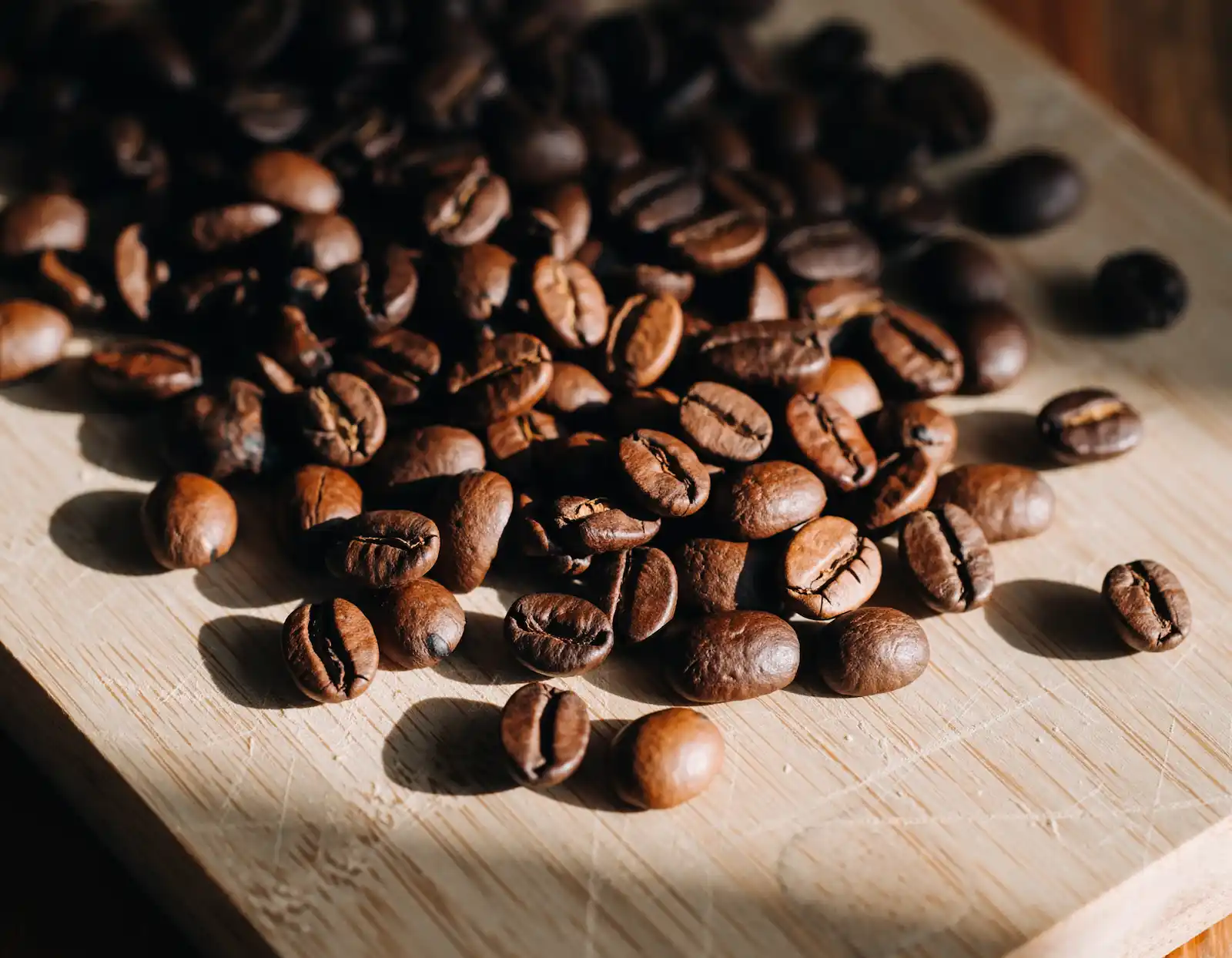
A bag of whole-bean coffee leaves two choices in your hands each morning. You can grind just enough for the pot and adjust the fineness for the brewer. The roaster has already made the choices that give the coffee its broad character, from the beans in the blend to how far the roast develops.
There’s room for very different preferences here. A medium blend described by its roaster as citrusy and caramel-like may appeal to someone who drinks pour-over black. A dark blend takes the cup in a roastier direction. With espresso, a blend’s flavor profile and how much coffee you use while adjusting the grind both belong in the decision.
Bag size can make a surprisingly practical difference. A household pulling shots every morning may work through a large bag, while the one person who drinks decaf after dinner may be happier buying less at once. We compare four whole-bean coffees with their roast, roaster-described flavors, decaf process where relevant, and package size in view.
Coffee Bean Comparison: Roasts and Tradeoffs
We used The Hearthful Standard to assess these coffees’ ingredients, packaging, preparation, storage guidance, and the clarity of their sourcing information. We selected Lavazza Super Crema for an espresso-focused blend in a larger bag, and Lifeboost Medium Roast Decaf for its named Swiss Water process. Stumptown Holler Mountain adds an organic medium roast with fruit and caramel notes described by the roaster; Peet’s Major Dickason’s provides a traditional dark-roast option. All four are whole beans, leaving grind size adjustable for the brewer.
Some links in this guide are affiliate links. If you purchase through them, The Hearthful Home may earn a small commission at no additional cost to you. As an Amazon Associate, we earn from qualifying purchases.

Espresso-focused blend, larger bag
Lavazza Super Crema Whole Bean Coffee
Super Crema gives a regular espresso routine a larger whole-bean supply. Lavazza describes a medium roast with roasted-hazelnut and brown-sugar notes. The Arabica and Robusta blend suits buyers exploring that flavor direction, with a 2.2 lb bag to work through after opening.
Medium roast · Whole bean · 2.2 lb

Decaf flexibility, another bag to manage
Lifeboost Medium Roast Decaf
Lifeboost brings a medium-roast, whole-bean option to a lower-caffeine routine. Its named Swiss Water process is helpful for buyers who want to understand how their decaf is made. Keep a separate recipe and buy an amount that fits how often you actually reach for decaf.
Medium roast · Whole bean · 12 oz

Fruit-forward medium roast, daily grinding
Stumptown Holler Mountain Organic Coffee
Stumptown describes Holler Mountain as an organic medium blend with citrus, caramel, and berry-jam notes. This 12 oz selection is whole bean, so you can adjust the grind for your brewer. It suits a routine with a grinder and a preference for the roaster’s brighter flavor direction.
Medium roast · Whole bean · 12 oz
Classic dark roast, broader sourcing
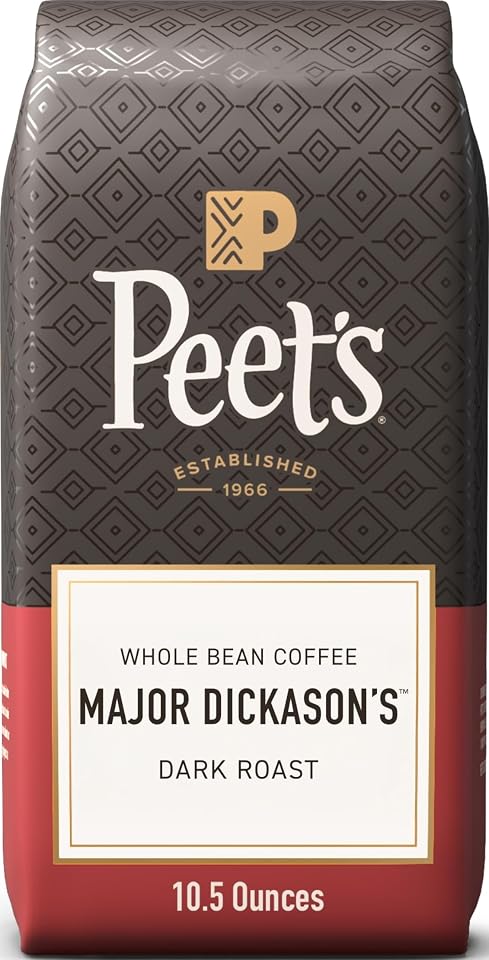
Peet’s Major Dickason’s Blend
Major Dickason’s brings a familiar dark-roast blend to a grinder-based routine. The selected 10.5-ounce bag is easier to try than a bulk purchase, and Peet’s gives a clear roast and flavor direction. Choose it for that blended profile, with regional sourcing information rather than a named-farm origin.
Dark roast · Whole bean · 10.5 oz
What Actually Matters in Coffee Beans
A useful shortlist starts with a few decisions you can make before opening the bag. Think about your preferred cup, the work you want to do each morning, and how quickly the household uses coffee. The checks below connect those decisions to the details on the package.
Choose a Roast Direction You Want to Drink
Light, medium, and dark describe a broad roasting direction. They give you a starting point, but one brand’s medium may differ from another’s. The National Coffee Association’s roast guide explains that variation and the increasing influence of roast character as coffee is roasted darker. Read the roaster’s flavor description alongside the label.
If fruit, caramel, or nutty descriptors appeal to you, compare the medium options first. If you seek a more pronounced dark-roast character, begin with that category. Our coffee roast levels guide helps connect those preferences to brewing choices. Buy a smaller first bag while you learn where your taste sits.
Read Roast Dates and Best-By Dates Differently
A roast date records when roasting happened. A best-by or enjoy-by date reflects the producer’s stated quality window and packaging assumptions. Those labels answer different questions, and the date you place an order answers neither. Check the delivered bag and the brand’s current explanation of its date code.
Coffee also releases gas after roasting, so the earliest possible brew is not automatically the most useful target. Resting needs depend on the coffee and method. Our roast date and freshness guide explains how to use roast age, resting guidance, and opening dates without assigning every coffee the same deadline.
Match Whole Bean or Ground Coffee to Your Routine
All four selected listings are whole bean. That gives you control over the grind for each brew, whether you make a morning pot or a smaller manual batch. It also adds equipment, preparation, and cleanup. A whole-bean purchase works best when those steps suit the way you want to make coffee.
Ground coffee can be a sensible choice when convenience matters more than changing the grind at home. Confirm that the supplied grind suits the brewer and buy an amount you will use regularly. Our whole-bean vs. ground coffee guide compares the formats, and the coffee grinder guide covers the equipment side of choosing whole beans.
Calculate Bag Size From Your Actual Dose
Count how many grams you use on an ordinary day, allowing for any extra coffee you use to adjust a recipe. A 340 g bag gives 17 brews at 20 g each, or about eight and a half days at 40 g per day. Lavazza’s 1 kg Super Crema gives 50 brews at the same 20 g dose. A household pulling several shots a day may use that bag readily. A smaller bag lets an occasional drinker try another roast sooner. These figures describe quantity, not a freshness deadline.
A household alternating regular coffee and decaf should count each separately. A large bag can be economical when it matches steady use, while a smaller bag makes trying a new coffee easier. Our coffee bag size guide includes practical comparisons for 250 g, 12 oz, and 1 kg purchases.
Check Packaging and the Closing Routine
The bag’s barrier, original seal, valve, and closure have different roles. A one-way valve lets released gas escape; a resealable opening helps you close the bag after a dose. Neither feature establishes the roast date or makes repeated exposure irrelevant. Look at how you will actually store the coffee once the factory seal is opened.
The coffee packaging guide explains valves, oxygen barriers, nitrogen flushing, and resealing. For a separate container, choose around the amount you normally keep and a lid you will close consistently. Our coffee canister guide compares storage designs without treating a container as a way to restore already-lost freshness.
Identify the Scope of Sourcing Labels
A product certification, a company certification, and a roaster’s sourcing program are different pieces of information. Organic, Fairtrade, and Rainforest Alliance each have their own requirements. Single-origin describes an origin claim at the stated level, while direct trade needs the roaster’s explanation of its purchasing approach.
For example, Fairtrade’s standards guidance describes requirements and trading arrangements connected to its certification. Our coffee labels and certifications guide compares that scope with other labels. Start with the exact mark or claim on the selected coffee, then read what it covers.
Give Decaf Its Own Place in the Plan
Decaf is a format decision alongside roast and grind. Lifeboost provides the decaf option here, with its Swiss Water method identified in current brand documentation. The process provider describes green coffee extract and carbon filtration as parts of that method. A named process makes the description more useful than an unspecified decaf claim.
Choose a roast direction you enjoy and plan the quantity around decaf use itself. If it is an occasional afternoon brew, a recurring large delivery may be more coffee than you need. Keep regular and decaf bags clearly identified and allow each its own grinder setting or recipe note.
Make the Beans Work With the Brewer You Own
You do not need a separate bag label for every brewing device. A roaster’s method recommendation is a starting point for a recipe, while the grind, dose, water, and brewing conditions still need to suit your setup. The NCA notes that espresso roast is not a fixed roast level.
Use the coffee-to-water ratio guide to keep the dose and water repeatable, and the brewing temperature guide when working through heating questions. If you are choosing equipment too, the coffee maker comparison explains the different preparation routines.
Compare Value by the Amount You Will Use
Check net weight, pack count, and the current unit price. A 10.5 oz bag, a 12 oz bag, and a 2.2 lb bag represent very different quantities, even when product photographs are displayed at the same size. Compare the same format and purchase type, including whether an offer requires a subscription. A low total price and a low price per ounce are different comparisons.
Also consider the purchase you are ready to commit to. A modest first order lets you learn whether a coffee belongs in the regular rotation. Once you have a dose, recipe, and buying interval that work, a larger bag or repeat delivery becomes easier to evaluate.
How We Evaluate Coffee Beans
Our recommendations in this guide are research-based. Roaster product information, exact retail formats, sourcing and processing documentation, packaging guidance, and authoritative coffee references form the evidence base for this comparison.
A product is assessed on how well its documented offering supports its intended role.
Roaster flavor notes, origin descriptions, certifications, and freshness guidance remain attributed to their sources. For coffee beans we compare ingredients, package size, preparation, and how clearly the roaster identifies the beans and their roast.
Materials
We evaluate the documented coffee ingredients, processing method and package construction. Relevant certification claims and packaging instructions help define what the selected bag provides.
Design & Function
We consider the roast direction, regular or decaf format, bag size and intended brewing role. The roaster’s sensory description helps explain that role while remaining separate from a firsthand tasting result.
Use & Interaction
We consider grinding, brewing guidance, portioning and package handling within an ordinary routine. Whole-bean flexibility and the preparation it requires belong in the same assessment.
Durability & Longevity
For a consumable, this factor covers documented package protection, useful date information, storage guidance, and quantity planning. It assesses how the purchase can remain useful through normal use, rather than assigning a fixed flavor lifespan.
Transparency & Trust
We check the exact variant, ingredients, roast, net weight, sourcing, processing and certification scope. Specific explanations help the buyer identify the coffee without relying on a broad quality slogan.
Holler Mountain gives particularly specific date, certification and packaging information. Lavazza, Lifeboost and Peet’s offer different combinations of roast, caffeine and bag size. Use those differences to choose a first bag.
A Closer Look at Each Pick
Espresso-focused blend, larger bag
Lavazza Super Crema Whole Bean Coffee
Medium roast · Whole bean · 2.2 lb
Super Crema fits a household making espresso regularly and buying coffee in a larger quantity. Choose it when you want to keep the grind adjustable and work with one blend across repeated brews. Check how quickly your household uses coffee before choosing this 2.2 lb format, especially if you alternate several open bags.
Price and availability last updated: 2026-11-25 at 09:58.
Materials
The Super Crema product page identifies Arabica and Robusta beans. Lavazza’s product FAQ also says coffee is its only ingredient. The flavor descriptors help explain the intended profile, while the ingredient information tells you what is actually in the bag. These are separate buying checks.
Lavazza describes a one-way valve in its coffee bags and directs buyers to the package for recycling information. Check the bag you receive before choosing its disposal route. For a larger purchase, give the opening and closure equal attention: the original packaging is useful only while you can keep the remaining coffee protected between doses.
Design & Function
Lavazza positions Super Crema for espresso and describes roasted-hazelnut and brown-sugar notes. The same product page lists a medium roast. That gives buyers a clear starting direction when comparing an espresso blend with a darker coffee or a decaf option. These descriptions guide selection; your grinder, recipe, and preferences still shape the cup.
The 2.2 lb format is most useful when this will be the household’s regularly used coffee. It reduces how often you need to place an order, while committing more of the cupboard to one blend. If several bags are usually open at once, count the doses you expect to make from this one before buying.
Use & Interaction
Whole beans let you adjust the next dose instead of accepting a fixed grind for the entire bag. Lavazza’s espresso explanation connects fine grinding with the pressure-based preparation method. Start with the guidance for your own grinder and machine, then keep the dose and drink size consistent while choosing a grind setting.
For day-to-day use, pick one drink to learn first. Note the amount of coffee going in and the amount of drink coming out, and change one part of the recipe at a time. That gives each adjustment a purpose and helps you decide whether this blend belongs in your regular rotation.
Durability & Longevity
Lavazza’s packaging FAQ identifies a one-way valve intended to release gas while limiting oxygen entry through the valve. Once the top is open, close the bag or use an airtight storage container between doses, following the coffee-storage guidance. Read the delivered date information and note the opening date, then plan the next order around the coffee remaining in this larger bag.
About 1 kg provides roughly 50 doses at 20 g each. At two such doses per day, that is about 25 days of coffee. This is a quantity calculation, not a promised freshness window. Include the coffee used while adjusting the grinder, plus any decaf days or travel, when estimating how long your bag will remain open.
Transparency & Trust
The selected product documentation names the Arabica-and-Robusta blend, medium roast, 2.2 lb quantity and espresso role. Origins are stated at regional level as Asia and South America, without a farm-level traceability claim. That information is sufficient to identify the recurring blend, while a buyer seeking a particular named producer should choose a coffee documented at that level.
Super Crema is easiest to assess through that documented role: a medium-roast espresso blend in a larger whole-bean bag. Choose it because the intended preparation and buying quantity fit your household. Keep the bag information and your recipe together as you work through it, then use that experience to decide whether the next order should be the same size.
- Clear medium-roast espresso role
- Whole-bean format keeps grind adjustable
- Larger bag supports regular household use
- 2.2 lb quantity needs a realistic use and storage plan
- Requires a grinder and recipe adjustments
- Origin information is regional rather than farm-specific
Decaf flexibility, another bag to manage
Lifeboost Medium Roast Decaf
Medium roast · Whole bean · 12 oz
Choose Lifeboost when you want a whole-bean medium-roast decaf with a clearly named processing method. Compare its current cost per ounce with the other options, then plan the bag around how often you brew decaf rather than your total household coffee use.
Price and availability last updated: 2026-11-25 at 13:31.
Materials
Lifeboost describes its decaf sourcing as single-origin Arabica from high-altitude farms in Nicaragua. The exact product page identifies the roast and named decaffeination method, while its Amazon listing presents this unflavored selection as USDA organic. These details give buyers a useful way to distinguish it from flavored coffees, blends, and unspecified decaf.
The purchase makes the most sense when those ingredient and processing details are part of what you value. You can choose a familiar roast direction while keeping the origin and decaf method easy to identify. That is a useful combination for a household adding decaf to an already settled coffee routine.
Design & Function
Lifeboost’s current help page confirms Swiss Water processing. Swiss Water explains the use of green coffee extract and carbon filtration to remove caffeine before roasting. A named method is useful when you prefer knowing the route from the original beans to the decaf you buy.
The roaster describes the medium profile with creamy, nutty, and dried-fruit notes. Treat these as its flavor description. The practical role here is a familiar medium-roast direction for decaf brewing, with the flexibility to adjust grind and recipe rather than having a fixed preparation format chosen for you.
Use & Interaction
Whole beans make this a grinder-based purchase. Measure the beans for the brew you want, then keep the resulting grind and recipe identifiable if you alternate with regular coffee. A small note beside the grinder can be more useful than trying to remember which setting belonged to which bag.
Start with a complete recipe for your brewer and change one variable at a time. Our coffee-to-water ratio guide explains how to keep dose and water consistent. That structure lets the decaf become part of an ordinary routine, while making the extra preparation clear for someone who would otherwise prefer pre-ground coffee.
Durability & Longevity
Size the decaf purchase around how often you drink decaf, rather than how much coffee the household uses overall. If regular coffee is used every morning and decaf only occasionally, treat them as separate purchases. Ordering both at the same interval can leave the slower-moving coffee waiting much longer.
Lifeboost’s storage instructions call for an opaque, airtight container in a cool, dry place away from light and heat. Keep the package information with the beans and close the container after measuring each dose. A 12 oz bag supplies about 17 doses at 20 g each, so estimate the reorder interval from decaf use itself.
Transparency & Trust
Lifeboost explains its Nicaraguan sourcing and Swiss Water decaffeination and now identifies Light Labs on its third-party testing page. That page describes testing selected coffee samples, which should be read at the scope of the named sample and report. The source, processing method and selected whole-bean format provide concrete information for this purchase without turning the brand’s testing language into a health promise.
For repeat purchases, keep the exact product name and format so you can compare equivalent bags. The brand offers other roasts and flavored options, which can have different descriptions. Our coffee-label guide helps separate organic certification, the roaster’s sourcing language, and testing statements while keeping the purchase focused on the details that matter to you.
- Named Swiss Water decaffeination method.
- Medium-roast whole beans allow recipe and grind choices.
- Published origin and processing information.
- Regular and decaf supplies need separate reorder planning.
- Requires a grinder and preparation for each brew.
- An occasionally used decaf bag can stay open longer.
Fruit-forward medium roast, daily grinding
Stumptown Holler Mountain Organic Coffee
Medium roast · Whole bean · 12 oz
Holler Mountain fits a buyer who wants an organic medium blend and enjoys choosing the grind for each method. Use Stumptown’s flavor notes to decide whether the direction appeals to you, then buy around your brewing pace. Check that the order is the whole-bean 12 oz variant and use the bag’s dates to guide handling.
Price and availability last updated: 2026-11-25 at 13:51.
Materials
Stumptown identifies Holler Mountain as one of its certified organic coffees. That provides a specific sourcing criterion for buyers who want it. Pair that information with the medium roast and whole-bean format when deciding whether it belongs in your regular rotation or is worth trying alongside a familiar coffee.
The company’s new-bag guidance says its revised packaging contains at least 30% post-consumer recycled material and is not curbside recyclable. Check the package you receive for the relevant disposal guidance, since retailer photographs and stock may show different bag designs. This is a useful detail to consider when comparing regular purchases.
Design & Function
The current Holler Mountain product page describes citrus, caramel, and berry jam in a medium roast. Those are Stumptown’s tasting notes. They give the coffee a clear direction for comparison, especially if you are deciding between a fruit-oriented medium roast and a darker roast-centered profile.
The 12 oz whole-bean format leaves the grind decision with you. It makes sense when the same coffee might move between a morning pot and another brewing method later in the week. Choose it for that flexibility and the described profile, with a small first order before assuming it will become the household default.
Use & Interaction
Stumptown’s espresso guide treats grind, dose, and extraction time as variables to adjust. Keep the recipe visible while learning a new bag, and change one variable at a time so the next cup helps you choose a direction. This makes the whole-bean format especially useful for someone who enjoys adjusting a home setup.
For everyday use, weigh a dose and grind it for the equipment you are using that session. A household that values this control can use one bag in several ways. If your priority is filling the brew basket with the least preparation, confirm an explicitly ground listing instead of purchasing this whole-bean version by name alone.
Durability & Longevity
Stumptown’s current freshness support page says its heat-sealed bags show both roast and enjoy-by dates, with a recommendation to use the coffee within three to four weeks after opening. The dates make it easier to track the actual bag rather than judging its age from delivery alone.
Use the roast date to understand the bag’s age and the opening date to plan the rest of your purchase. Keep the package closed between uses and let your normal consumption determine whether 12 oz fits. At 20 g per brew, a 340 g bag gives about 17 doses, or just over a week when brewing twice daily.
Transparency & Trust
The brand explains its Direct Trade sourcing approach through producer relationships and purchasing practices. This is Stumptown’s sourcing model, distinct from product organic certification. Buyers interested in those relationships can explore the brand’s explanation alongside the bag’s origin, roast, and date information before deciding what matters most to them.
The practical advantage is that Stumptown explains both roast and enjoy-by dates, identifies Holler Mountain within its organic range, and distinguishes its own Direct Trade approach from certification. Its packaging guidance also states the recycled-content and disposal limits of the revised bag. Together these disclosures give the buyer more specific ways to identify, date and handle this product before making a repeat purchase.
- Certified organic blend with clearly attributed flavor direction
- Whole beans preserve grind choice across brewing methods
- Brand documents roast and enjoy-by dates
- This selected variant requires a grinder
- Roaster’s brighter profile may not suit a dark-roast preference
- Revised packaging is not curbside recyclable
Classic dark roast, broader sourcing
Peet’s Major Dickason’s Blend
Dark roast · Whole bean · 10.5 oz
Major Dickason’s is a straightforward fit when you want a dark-roast whole-bean blend in a moderate retail bag. Choose it for that familiar style and adjustable grind, while accepting broader regional sourcing information and checking the delivered bag’s date and condition.
Price and availability last updated: 2026-11-25 at 13:51.
Materials
Peet’s describes Major Dickason’s as a signature blend from the Americas and Indo-Pacific, using washed and wet-hulled coffees. The regional and processing details give buyers a useful description of the blend. Its identity is the combined profile, rather than a single farm or a specific crop lot.
For buying purposes, this suits someone who wants a recurring blend to return to. If following one named producer is part of the appeal of your coffee purchase, look for a different level of sourcing detail. Blending itself is a design choice, not a reason to assume either higher or lower cup quality.
Design & Function
The company positions this as a dark roast with earth and spice in its flavor description. That gives it a distinct place beside the medium roasts and decaf in this group. The fit is a shopper who actively wants that roast direction, rather than one trying to buy the same profile as a lighter single-origin coffee.
Use that description to decide whether the style sounds appealing, then make the first brews with your usual equipment. Keep the dose and water amount familiar so you can judge the change in coffee more easily. The defined roast direction makes it a useful option to compare with a medium-roast blend you already enjoy.
Use & Interaction
Peet’s lists French press and pour-over among its brewing methods. The whole-bean format lets a grinder owner prepare for those different routines. It does not require a dedicated pod system or commit the entire bag to a single preselected grind size.
The main daily tradeoff is the grinding step itself. Keep a repeatable dose and recipe, and allow the first brews to establish your preferred setting. Our whole-bean versus ground-coffee guide helps decide whether that flexibility is useful in your household. Readers who want to open a bag and scoop directly into a filter may prefer a different format of the same blend.
Durability & Longevity
The selected 10.5 oz retail bag is a manageable first order, and Peet’s describes sealing its coffee immediately after roasting. Its in-store buying guide tells shoppers to check the roast date. Read the actual delivered label, retain the date and lot information, and check the original seal before transferring the beans to storage.
A roast date and a best-by date answer different questions, so keep the wording from the bag rather than treating one as the other. Close the package or storage container between uses, and base the next order on how quickly this dark roast moves through your routine. The selected bag contains about 298 g, or roughly 15 doses at 20 g each, before coffee used to adjust the recipe.
Transparency & Trust
Peet’s Sourcing with Impact information explains its work with Enveritas to assess conditions in its coffee supply chain and support improvement projects. This identifies a verification approach and an organization behind it. Readers interested in sourcing can follow that named program and decide how its scope fits their priorities.
The brand also publishes roast, regional blend, processing, and date guidance, which makes the basic buying information reasonably easy to follow. The selected retail bag holds 10.5 ounces, while Peet’s sells a one-pound version directly. Use the package weight when comparing the two prices. The familiar blend name is useful for repeat purchases, while the regional description gives a broader sourcing picture than a named-farm coffee.
- Clear dark-roast blend identity.
- Whole beans support different grinder-based brewing routines.
- Published regional sourcing, processing and date guidance.
- Dark-roast direction will not suit every taste.
- Regional blend details are broader than a named-farm lot.
- Retail order date does not establish the bag’s roast date.
Tips for Better Coffee Bean Buying and Brewing
A few repeatable habits make a new bag easier to evaluate. Keep the first brews simple, record the details that help, and let your buying schedule follow actual use. You can improve the routine without rebuilding the entire coffee station.
Begin With One Bag and One Complete Recipe
Choose one coffee in a quantity you can use, then begin with a complete recipe appropriate to the brewer. Record the coffee dose, water amount, grinder setting, and any important timing or pouring steps. This gives you a clear starting point for the next brew.
When making an adjustment, keep the other steps as consistent as practical. The brew ratio guide explains how to scale a recipe, and our coffee scale guide covers tools for measuring small doses and larger batches. The useful outcome is a routine you can repeat.
Record the Package Information Before Transferring Beans
Keep the product name, roast or best-by date, and lot information with the coffee. If you transfer it into a canister, save the label or a photo and note the opening date. That small record helps when reordering a favorite or asking the seller about the delivered package.
Check that the beans match the selected roast, format, and net weight on arrival. Our coffee roast date guide explains the date types, while the packaging guide helps distinguish the original seal from the closure used after opening.
Give Open Coffee a Consistent Storage Place
The National Coffee Association recommends protection from air, moisture, heat, and light. Choose a cool, dry place away from the oven, dishwasher heat, and direct sun. Close the bag or container promptly after measuring a dose, and keep utensils dry.
Use a package or container that suits the coffee remaining inside it and is easy to close properly. If you change containers, keep the date information. Our canister guide can help choose a practical design, but consistent handling remains part of using any storage system.
Treat Regular Coffee and Decaf as Separate Supplies
Count how many grams of each you use during an ordinary week. If one bag is used daily and the other only occasionally, give them different reorder intervals. Label them clearly in the storage area and record separate grinder settings when useful.
The bag size guide makes that planning easier. Include coffee used while adjusting a new recipe, and reduce the next order if several opened bags are building up. A subscription should follow an established routine rather than determine how much coffee the household needs.
Keep the Brewing Path Clean Between Comparisons
Wash removable brewer parts as directed, and maintain the grinder according to its instructions. Old coffee residue, a dirty serving vessel, or a changed filter can complicate a comparison between bags. Start the next coffee with the same ordinary care routine you use for the current one.
Our coffee maker cleaning guide separates washing from descaling. The coffee accessories guide covers tools that can support preparation and cleanup. Add a tool when it solves an actual task in your setup.
Keep Notes About Preferences You Can Use Again
Write down the roast, recipe, and what you enjoyed in plain language. You might prefer a coffee with milk, a darker roast in a morning pot, or a medium blend in a manual brew. The notes are for your next purchase, so useful everyday descriptions are enough.
Compare those observations with the roaster’s stated direction, then change one purchasing choice at a time. A bag you do not want to reorder still helps narrow the next selection. Our roast guide and format guide can help decide which part of the routine to explore next.
Coffee Bean FAQs
Which of these coffee beans should I choose first?
Start with the role you need. Super Crema suits regular espresso brewing with a larger Arabica-and-Robusta blend. Lifeboost provides the whole-bean decaf option. Holler Mountain offers an organic medium roast with a fruit-forward flavor description, while Major Dickason’s provides the dark-roast direction. Choose the roast and format that fit your brewing routine.
Are all four selected coffees whole bean?
Yes. The selected Super Crema, Lifeboost Decaf, Holler Mountain, and Major Dickason’s listings are all whole bean. You will need a grinder suited to your brewing method. Some of these names also appear on ground-coffee listings, so match the format on the order. The whole-bean vs. ground guide explains the daily tradeoff.
Is medium roast the safest starting point for taste?
A medium roast can be a useful starting point when its flavor description appeals to you, but it is not a universal preference. Roast labels also vary between brands. If you already know you enjoy a dark-roast profile, use that information. The roast levels guide offers a way to choose from your own preferences.
Do these coffees contain the fruit or chocolate in their tasting notes?
Tasting notes usually describe a roaster’s sensory impression, rather than an ingredient list. Read the ingredient and flavoring information separately, especially when comparing an unflavored coffee with an explicitly flavored product. A caramel or berry descriptor helps communicate a direction without telling you that syrup or fruit was added.
Should I buy coffee roasted today?
Not automatically. Coffee continues to release gas after roasting, and a useful resting period depends on the coffee and brewing method. Follow the roaster’s guidance and distinguish roast date from opening date. The freshness and resting guide explains why a single ideal age cannot cover every bag.
What if the bag only has a best-by date?
Use the brand’s current date guidance. Some companies provide a way to interpret the code, while others primarily state a quality window. A best-by date alone should not be treated as a printed roast date. Keep the delivered label and ask the seller or roaster if the age information is important to your purchase.
How long should a 12 oz bag last?
A 12 oz bag contains about 340 g. At 20 g of coffee per day, that is about 17 days of doses; at 40 g per day, it is about eight and a half. Allow for extra coffee used while adjusting a recipe. These examples describe consumption, with storage and preferred freshness considered separately in the bag size guide.
Is a bigger bag always better value?
No. Compare current cost per ounce or per gram, then consider how much you will use. A larger bag can reduce unit cost while increasing the amount committed to one coffee. A smaller first purchase may be more useful when trying a new roast, buying occasional decaf, or alternating several coffees.
Do I need beans labeled for espresso?
No separate bean species or fixed roast level defines espresso coffee. A label may communicate the roaster’s intended use and recommended flavor direction. Follow a recipe suited to the machine and adjust the grind and dose. Whole beans give you that flexibility, while an espresso label alone does not set up the brewer for you.
Does decaf mean caffeine-free?
Decaf contains substantially less caffeine than regular coffee, but the term does not establish zero caffeine. Choose the process and roast information relevant to your preferences, and check product-specific information when caffeine content matters. The decaf pick in this guide is identified separately so it can have its own recipe and buying interval.
Does organic certification mean a coffee will taste better?
Certification describes requirements within its stated scope. It does not select your preferred roast, recipe, or sensory result. You can value certified sourcing and still choose by the flavor direction you enjoy. Our labels and certifications guide separates those purchasing questions.
Is direct trade the same as Fairtrade certification?
No. Direct trade needs the individual roaster’s explanation of its relationships and purchasing practices. Fairtrade refers to a defined certification system. A company can publish detailed sourcing information without those terms becoming interchangeable. Compare the actual claim and documentation for the selected coffee.
Does a valve prove the beans are fresh?
No. A valve is a packaging feature that allows gas to leave under its designed conditions. It does not reveal the roast date, storage history, or condition of the delivered seal. The packaging guide explains why the barrier, closure, and date information should be considered together.
Should I freeze a large order of coffee?
Freezing can be part of a storage plan, but moisture protection and handling matter. Consider sealed portions instead of repeatedly opening the entire supply, and follow the roaster’s storage guidance. Buying a smaller amount may be simpler if you do not want another handling routine. Our freshness guide discusses those choices.
Which bag should I try first if I’m unsure of the flavor?
A dark-roast preference or a need for decaf can make a different pick the better fit for you. Start with the intended role, then use a modest first order and a repeatable recipe to decide what belongs in your rotation.
Important: This article provides general information, not individualized medical, safety, installation, legal, or other professional advice. Product specifications, instructions, and safety information can change; verify current information with the manufacturer and consult an appropriately qualified professional when needed. See our Terms and Conditions for additional information.